


Preventing Lawn Pests and Diseases in Pasadena Yards
Last Updated: November 10, 2026
Quick Summary
Preventing lawn pests and diseases starts with dense, healthy turf that resists damage on its own. Mow at the right height with sharp blades, water deeply in the early morning, and aerate and feed compacted soil so roots grow deep.
Remove no more than one-third of the blade length in a single cut.
Sharpen mower blades at least once per season, more often if you mow frequently.
Water deeply and less often, ideally early in the morning so grass dries quickly.
Run the can test to check sprinkler coverage and fix dry or soggy zones.
Core aerate once a year during the growing season and feed with a balanced fertilizer.
Is your lawn showing pest or disease damage?
Talgarden offers free estimates for lawn repair, sprinkler work, and prevention plans in Pasadena.
Table of Contents
Start With Healthy Turf: How Dense Grass Resists Pests and Disease
Step 2: Water Deeply in the Early Morning to Avoid Lawn Fungus
Step 3: Feed, Aerate, and Improve Drainage on Compacted Soil
Lawn Pests Identification Pictures: Spotting Grubs, Chinch Bugs, and Sod Webworms
Lawn Disease Identification Chart: Matching Symptoms to Brown Patch and Other Fungi
How to Get Rid of Lawn Bugs Naturally and When to Use Treatments
Lawn Disease Treatment and Your Next Step With a Pasadena Lawn Professional
Start With Healthy Turf: How Dense Grass Resists Pests and Disease
Most brown patches and pest damage start in turf that is already thin and stressed. A dense, vigorous lawn can resist many lawn pests and diseases on its own, which makes prevention the cheapest and most reliable strategy for Pasadena yards. Building that density from the ground up starts with the habits below.
Healthy grass has a deep root system, a thick canopy of blades, and enough energy to recover after damage. Weak grass has shallow roots, bare spots, and a thatch layer that holds moisture and invites fungus. When you see brown or thin patches, treat the cause, not just the symptom.
Three habits do most of the work:
Mow at the correct height for your grass type
Water deeply and early in the day
Feed and aerate so roots can grow
The steps below walk through each one. Work through them in order, because each step supports the next.
Step 1: Set Up Proper Mowing Height and Sharp Blades
Mowing is the most frequent lawn task, and it has a direct effect on pest and disease pressure. Cutting grass too short stresses the plant, exposes soil, and weakens the root zone. Cutting it too high can also cause problems if it leads to thatch buildup.
Set your mower so you remove no more than one-third of the blade length in a single cut. For most lawns in the Pasadena area, a height of about 2.5 to 3.5 inches works well, but check the recommended range for your specific grass type.
Dull blades tear grass instead of cutting it cleanly. Torn tips turn brown and give fungi an easy entry point. Sharpen your mower blades at least once per season, and more often if you mow frequently.
Watch out: never bag clippings from a lawn with active disease. Infected clippings can spread fungus to healthy turf, so dispose of them rather than composting them.
Step 2: Water Deeply in the Early Morning to Avoid Lawn Fungus
Watering is where many homeowners accidentally create the conditions for disease. Light, frequent sprinkling keeps the grass blades wet for long periods, and that moisture is exactly what fungi need to spread.
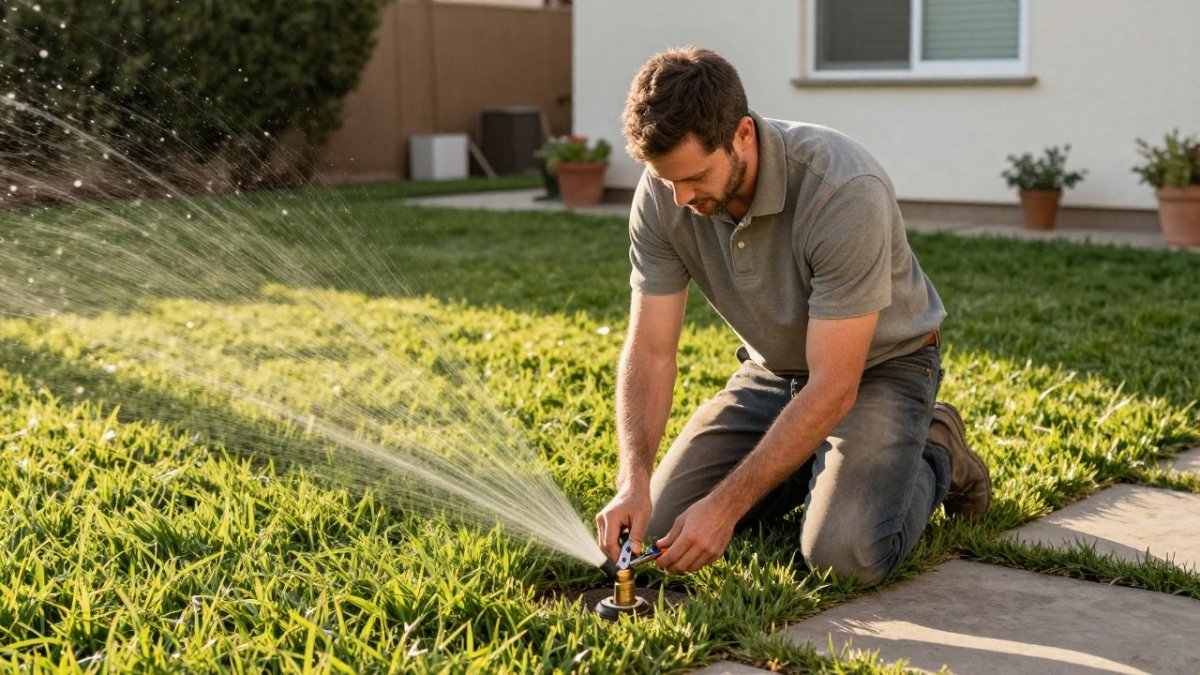
Instead, water deeply and less often. If uneven spray is leaving some areas dry and others soggy, sprinkler repair can correct coverage so every zone gets the water it needs. Aim to soak the root zone so the soil is moist several inches down, then let the top layer dry before the next watering. Early morning is the best time, because the grass dries quickly as the sun rises.
Avoid watering late at night, when blades stay wet for hours. Also check your sprinkler coverage. Uneven spray can leave some areas parched and others soggy, and both conditions stress the lawn. A quick test is to place a few shallow cans around the yard and run the system for 15 minutes to compare how much water each area receives.
Step 3: Feed, Aerate, and Improve Drainage on Compacted Soil
Compacted soil is a common cause of weak turf in Pasadena. When soil packs down, water runs off instead of soaking in, and roots cannot grow deep enough to reach moisture and nutrients. Core aeration pulls small plugs of soil out of the lawn, opening channels for air, water, and roots.
For most lawns, aerate once a year during the active growing season. Then feed the grass with a balanced fertilizer, paying attention to potassium, which helps grass tolerate stress and resist disease. Apply fertilizer according to the product label, and avoid heavy feeding during hot weather when grass is already under strain.
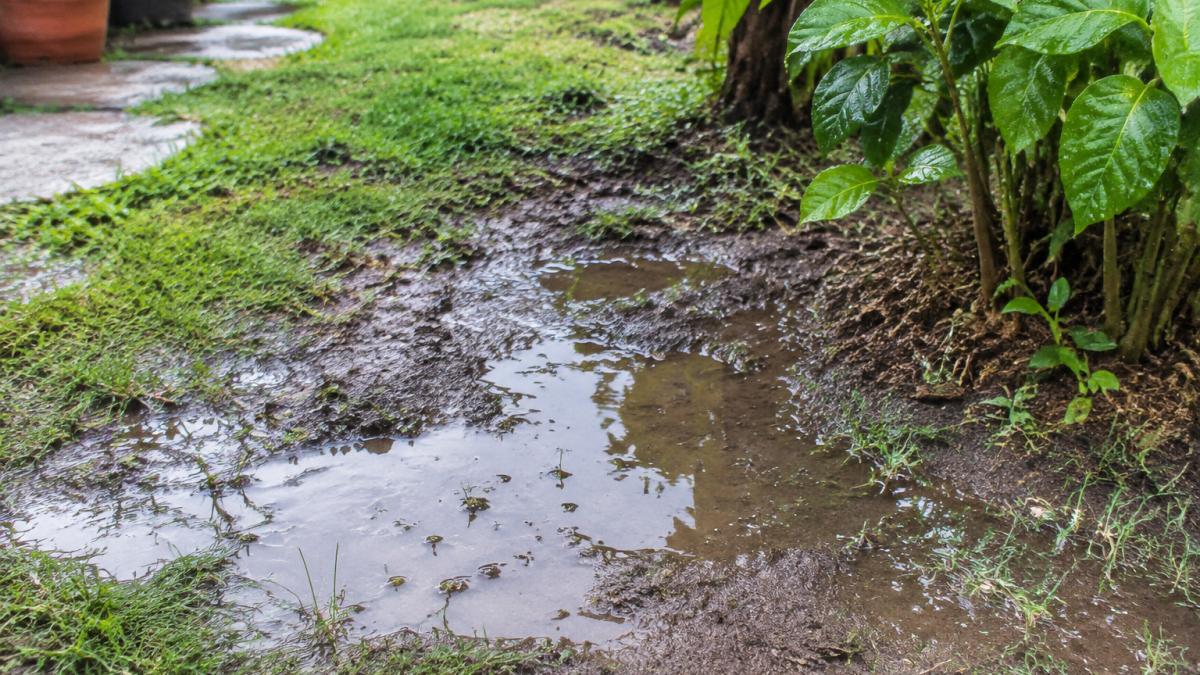
Adding compost after aeration improves the soil structure over time. Good drainage and healthy soil biology make turf more resilient to pests and disease. If you have persistent standing water after rain, or if aeration alone does not help, a professional assessment can identify whether drainage work or a new lawn installation is the better fix. You can book core aeration and a free estimate to get a clear plan for your compacted soil. A University of California Agriculture and Natural Resources turfgrass guidance is a useful reference for regional soil and turf recommendations.
Lawn Pests Identification Pictures: Spotting Grubs, Chinch Bugs, and Sod Webworms
Knowing which pest is causing damage tells you which fix to use, and in Pasadena the answer often depends on your grass type. Warm-season lawns such as bermudagrass, St. Augustinegrass, and zoysiagrass carry different pest pressure than cool-season tall fescue, which struggles through Pasadena's hot, dry summers.
White grubs are the larvae of beetles that live in the soil and feed on roots. Damage shows up as irregular brown patches that lift easily like loose carpet because the roots are gone. Grubs are most often a problem in lawns that were already thinning, and they tend to appear in late summer and fall as larvae grow.
Chinch bugs suck sap from grass blades and inject toxins that create irregular, yellowing-to-brown patches, often in sunny, dry areas near driveways, sidewalks, and south-facing slopes. They are most damaging to St. Augustinegrass and bermudagrass in hot weather.
Sod webworms are the larvae of small moths. They chew grass blades at the surface at night and leave small brown spots, clipped blades, and silk-lined tunnels near the thatch.
Use this symptom-to-cause guide to narrow down what you are seeing before you treat:
What you see | Likely cause | Quick field test |
Turf lifts like carpet, roots chewed | White grubs | Cut a 1-square-foot flap 3 inches deep and count larvae |
Yellowing patches in sunny, dry spots; tiny black-and-white insects | Chinch bugs | Flotation test with a can of water |
Small brown spots, clipped blades, silk near thatch | Sod webworms | Soap-flush test at the damage edge |
Irregular brown patches that do not lift, often with a smoke ring in morning dew | Fungal disease, not an insect | Inspect blades and patch edges early in the day |
Brown, crispy tips along the whole lawn, no insects found | Drought or irrigation coverage problem | Run the can test from Step 2 to check sprinkler uniformity |
Distinguishing insect damage from fungal disease, drought stress, and irrigation problems matters because the fixes are different. Insect damage often appears in patches that expand outward and lift easily; fungal patches frequently show a dark border or smoke ring in morning dew; drought stress tends to follow sprinkler patterns and shows up first on high spots and near pavement.
The photo below shows what to look for when inspecting thinning turf.

Lawn Disease Identification Chart: Matching Symptoms to Brown Patch and Other Fungi
Lawn diseases usually show up as spots, rings, or discolored patches. Brown patch, a fungal disease, is one of the most common and appears as circular brown areas that can be several feet across. Early morning dew may show a grayish smoke ring around the edge.
Use this quick guide to match symptoms to likely causes:
Symptom | Likely Cause | First Check |
Circular brown patches with a dark border | Brown patch fungus | Look for a smoke ring in the morning |
Small tan or purple spots on blades | Leaf spot diseases | Examine blades with a magnifier |
Pink or red threads on grass | Pink patch | Check after humid nights |
Irregular yellow patches that pull up easily | Grubs | Lift the turf and count the pests |
Brown spots with silk tunnels | Sod webworms | Look for larvae and silk near the thatch |
Many fungal diseases thrive when lawns stay wet overnight. Improving watering timing and mowing practices often reduces disease before any product is needed.
How to Get Rid of Lawn Bugs Naturally and When to Use Treatments
Natural prevention comes first, and in Pasadena's warm, dry climate it also tends to be the most water-wise approach. A dense, well-fed lawn with healthy soil is less attractive to pests and better able to outgrow the damage they cause.
Practical natural steps include keeping grass at the proper height for your grass type, removing thatch that shelters pests, watering deeply rather than frequently, and correcting sprinkler coverage so you are not creating soggy pockets that invite fungus. For grub problems, some homeowners use beneficial nematodes, microscopic worms that attack grubs in the soil.
Treatment is warranted when damage is severe, spreading quickly, or not responding to cultural practices after a few weeks. The decision should follow a simple sequence: identify the pest with a field test, confirm the population is high enough to justify action, and only then choose a product labeled for that specific pest and your grass type.
When you do treat, protect the people and animals that share the yard. Keep children and pets off treated areas for the interval stated on the label, which is there for a reason.
A water-wise prevention plan also reduces the need for treatment. Efficient irrigation, deep, infrequent watering in the early morning, checked with the can test from Step 2, keeps grass stress low without overwatering. Stressed grass invites pests; overwatered grass invites fungus. The goal is consistent soil moisture, not constant moisture.
The EPA guidance on integrated pest management explains how to combine prevention and targeted treatment responsibly, and the University of California Agriculture and Natural Resources turfgrass guidance is a useful reference for regional pest and turf recommendations.
Lawn Disease Treatment and Your Next Step With a Pasadena Lawn Professional
Some lawn diseases respond to better cultural practices, while others need a fungicide or a professional diagnosis. If you have tried adjusting mowing and watering for several weeks and the patches keep spreading, it may be time for help. A professional can confirm the disease, recommend the right treatment, and advise on timing.
Talgarden offers free estimates and provides sprinkler repair and sod installation in the Pasadena area. If your irrigation is causing uneven coverage, the team can help you choose the right fix. For a practical next step, schedule a free estimate with Talgarden and get a clear plan for your yard.
Frequently Asked Questions
How can I prevent pests and diseases in my lawn?
Most lawn pests and diseases take hold in weak, stressed turf, so prevention starts with cultural care. Mow at the right height for your grass type and keep blades sharp, water deeply but less often in the early morning, feed with a balanced fertilizer, and aerate compacted soil so roots can grow. Dense, vigorous grass recovers faster from damage and gives pests and fungi fewer openings to establish.
Can overwatering cause lawn fungus?
Yes. Lawns that stay wet for long periods, especially from evening or nighttime irrigation, create the moisture fungi need to spread. Water deeply enough to reach the root zone, then let the top few inches dry before watering again. Morning irrigation gives blades time to dry during the day, which lowers the risk of brown patch and other diseases.
How can I get rid of lawn bugs naturally?
Start by confirming which insect you have, since grubs, chinch bugs, and sod webworms need different responses. Encourage beneficial insects by avoiding broad-spectrum sprays, keep turf healthy so it tolerates feeding, and remove thatch that shelters pests. For some infestations, targeted treatments may be needed, and applying any pesticide safely means following the label and considering people, pets, and nearby water.
When should I treat lawn disease?
Treat only when you can identify the disease and the damage is spreading or not recovering after you fix watering and mowing habits. Many fungal problems improve once moisture and mowing are corrected. If patches keep expanding or you are unsure of the cause, a local lawn professional in Pasadena can help diagnose the problem before you apply any fungicide.
Comments