


Which Drought Tolerant Plants Thrive in Pasadena?
Last Updated: November 19, 2026
Quick Summary
The best drought tolerant plants for Pasadena include California lilac, manzanita, Cleveland sage, white sage and hopseed for shrubs, plus desert willow for a small tree. For full-sun groundcovers, California fuchsia, Bee's Bliss salvia, hummingbird sage and dwarf coyote brush handle heat and poor soil well. Group plants by water need so irrigation stays simple.
Drought tolerant plants need little water once their roots are established.
Manzanita is extremely drought-resistant and needs little supplemental irrigation, though it grows slowly.
Overwatering is the most common cause of failure with drought-tolerant plants.
Most drought-tolerant plants need regular, deep watering for their first season or two.
Use a light layer of mulch around groundcovers, keeping it off the plant crowns.
Want a water-wise garden that thrives in Pasadena?
Talgarden designs drought-tolerant planting plans and handles sprinkler repair for Pasadena properties.
Table of Contents
Why Pasadena Gardens Need Drought Tolerant Plants
Pasadena gardens face long dry spells, hot summers and irrigation bills that climb every year. Choosing plants that need little water is one of the most useful changes many homeowners can make. Drought-tolerant plants are adapted to periods with little rainfall, so they establish with less help and handle the dry months without constant watering.
The right plants do more than save water. They reduce runoff, cut the time spent on sprinklers and give the garden structure through the seasons.
Some practical reasons to switch:
Lower irrigation needs once plants are established
Better resilience during heat waves and dry spells
Year-round structure from shrubs and trees, with color from perennials and flowers
Plants that suit California's climate
Drought-tolerant does not mean bare or boring. Many of the plants below flower, fragrance the air and attract pollinators while still using little water.
Best Drought Tolerant Plants for Pasadena Trees and Shrubs
Trees and shrubs form the backbone of a water-wise garden. They are the first plants to choose because they set the layout that everything else grows around. Native and climate-appropriate species generally need the least supplemental water once their roots are established, which usually takes a full growing season or two.
Look for plants whose water needs match the rest of the bed. Grouping them this way keeps irrigation simple and prevents overwatering the drought-tolerant plants.
California Lilac and Manzanita for Structure
California lilac (Ceanothus) is an evergreen shrub that produces clusters of blue or purple flowers. It is highly drought-tolerant once established and attracts bees and butterflies. It works well as a privacy hedge or foundation plant. Keep it dry in summer, since overwatering is its most common problem.
Manzanita (Arctostaphylos) adds sculptural interest with smooth, reddish bark and a unique branching form. It is extremely drought-resistant and needs little supplemental irrigation. Its growth is slow, so plan for patience, but it can live a long time in the right conditions.
Cleveland Sage, White Sage and Hopseed
Cleveland sage (Salvia clevelandii) is a fragrant evergreen shrub with intense blue-violet flowers. It thrives in the Pasadena climate and is deer resistant. Its one firm requirement is good drainage, because wet roots invite rot.
White sage (Salvia apiana) is an iconic California native with silvery leaves and a pleasant scent. It is very low in water needs and suits xeriscaping. Prune it regularly, or it becomes woody and leggy.
Hopseed (Dodonaea viscosa) is a fast-growing evergreen that works well as a screen or hedge. It tolerates heat and adapts to many soil types. Prune it regularly if you want a tidy, formal shape.
Low-Maintenance Drought Tolerant Plants Full Sun Gardens Need
Full sun is the most demanding exposure for a garden, but it is also where drought-tolerant plants perform best. Plants adapted to sun-baked slopes and reflected heat can handle afternoon exposure with less help.
Choose low-maintenance selections that do not need frequent cutting back or feeding. Apricot mallow (Sphaeralcea ambigua), for example, produces a long run of apricot-colored flowers in dry, sunny borders, and it thrives in poor, rocky soil. It can be short-lived if overwatered, so resist the urge to give it extra water.
Desert willow (Chilopsis linearis) is a small deciduous tree with orchid-like pink and purple flowers. It provides light, filtered shade and suits smaller yards. It drops its leaves in winter, which is worth knowing before you plant it near a patio.
Full-Sun Drought Tolerant Perennials and Groundcovers
Perennials and groundcovers fill the spaces between shrubs and soften hardscape edges. In full sun, a few reliable choices cover ground, suppress weeds and keep color going when other plants have gone dormant. The key is to match each plant to its exposure and soil, then group them by water need so you can irrigate efficiently.

Here are four workhorses for Pasadena full-sun beds, with the care details that matter:
California fuchsia (Epilobium canum): Blooms brilliant red-orange from late summer into fall, attracting hummingbirds. Mature size is roughly 1-2 feet tall and 3-4 feet wide. It spreads by rhizomes and can become aggressive in small, contained beds, so give it room or edge it regularly. It tolerates reflected heat and poor soil but needs good drainage. Watch out: in rich, regularly irrigated beds it flops and spreads more aggressively than you may want.
Bee's Bliss salvia (Salvia 'Bee's Bliss'): A low-growing sage with lavender-blue flowers in spring. It stays about 1-2 feet tall and spreads 4-6 feet, making it excellent for erosion control on slopes and for weed suppression. It is highly attractive to bees, so site it away from patios and walkways if stinging insects are a concern. It needs full sun and sharp drainage; heavy clay or overwatering causes crown rot.
Hummingbird sage (Salvia spathacea): A California native groundcover with magenta flowers in spring and aromatic foliage. It reaches about 1-2 feet tall and spreads by rhizomes to form a mat. Unlike many sages, it tolerates light shade and moderate water, making it a good transition plant between full-sun and shaded zones. It is relatively pest-free and deer resistant.
Dwarf coyote brush (Baccharis pilularis 'Pigeon Point'): A fast-growing evergreen groundcover that stays low (about 1-2 feet) and spreads 6-8 feet. It is extremely tough, tolerates heat and poor soil, and provides year-round green cover. It is not showy in flower but is one of the most reliable slope stabilizers for Pasadena's dry, sunny banks.
Use a light layer of mulch around groundcovers to reduce evaporation (Mulches / Home and Landscape / UC Statewide IPM Program (UC IPM)). It is one of the simplest ways to cut watering further. Avoid heavy bark mulches right against plant crowns, which can hold moisture and encourage rot in drought-adapted species.
For sloped yards, plant groundcovers in staggered rows rather than a single line so they knit together and hold soil. On hot south- and west-facing walls, choose the most heat-tolerant selections (California fuchsia and dwarf coyote brush) and give them extra room to spread.
Drought Resistant Flowers and Low-Maintenance Plants for Pots
Container gardens can be water-wise too, but pots dry out faster than in-ground beds. Choose plants with a shallow root habit and good drought tolerance, and group pots together so they shade one another.
Good candidates for containers include the compact sages, apricot mallow in larger pots and smaller perennials that stay under about a foot tall. Use a well-draining potting mix, and set pots on a saucer or gravel tray to avoid soggy roots. Water deeply but less often, and check the soil with a finger before reaching for the hose.
Containers are also a practical way to test a plant before committing a whole bed to it.
Planting Combinations, Watering Schedules and Establishment Timelines
Plants grouped by water need make the garden easier to care for. A typical Pasadena bed might pair white sage and Cleveland sage with California fuchsia and Bee's Bliss salvia, grouped by water need.
Microclimate matters more than the plant list. A south-facing slope bakes in afternoon sun and reflects heat off nearby walls, so it suits the toughest plants: desert willow, apricot mallow, and dwarf coyote brush. A north-facing bed holds more moisture and shade, where hummingbird sage and California lilac will establish more easily.
Sample planting combinations for common Pasadena yards:
Sun-baked front yard (full sun, reflected heat): Desert willow as the small tree, Cleveland sage and hopseed as shrubs, apricot mallow and California fuchsia as perennials, dwarf coyote brush as groundcover. All tolerate heat and poor soil; group them on one drip zone.
Sloped backyard (full sun, fast-draining): California lilac and manzanita for structure, Bee's Bliss salvia and dwarf coyote brush for erosion control, white sage for fragrance. These plants prefer lean soil and infrequent deep watering.
Part-shade side yard (morning sun, afternoon shade): Hummingbird sage as groundcover, California fuchsia for late-season color, and a small desert willow for filtered shade. This group needs slightly more water than the full-sun beds but still far less than a lawn.
Watering during establishment. Watering during establishment matters more than the long-term schedule. Most drought-tolerant plants need regular, deep watering for their first season or two so roots can reach deeper soil. To learn why compost helps your soil hold moisture in Southern California, read more here.
A rough establishment timeline:
First 4 to 8 weeks: regular watering to keep the root zone moist but not soggy; check daily in hot weather.
Months 2 to 12: gradually stretch the interval between waterings; deep soaks encourage roots to grow downward.
Year two onward: water deeply and less often, guided by the plant's needs and the season. Many established natives survive on rainfall alone except during prolonged heat waves.
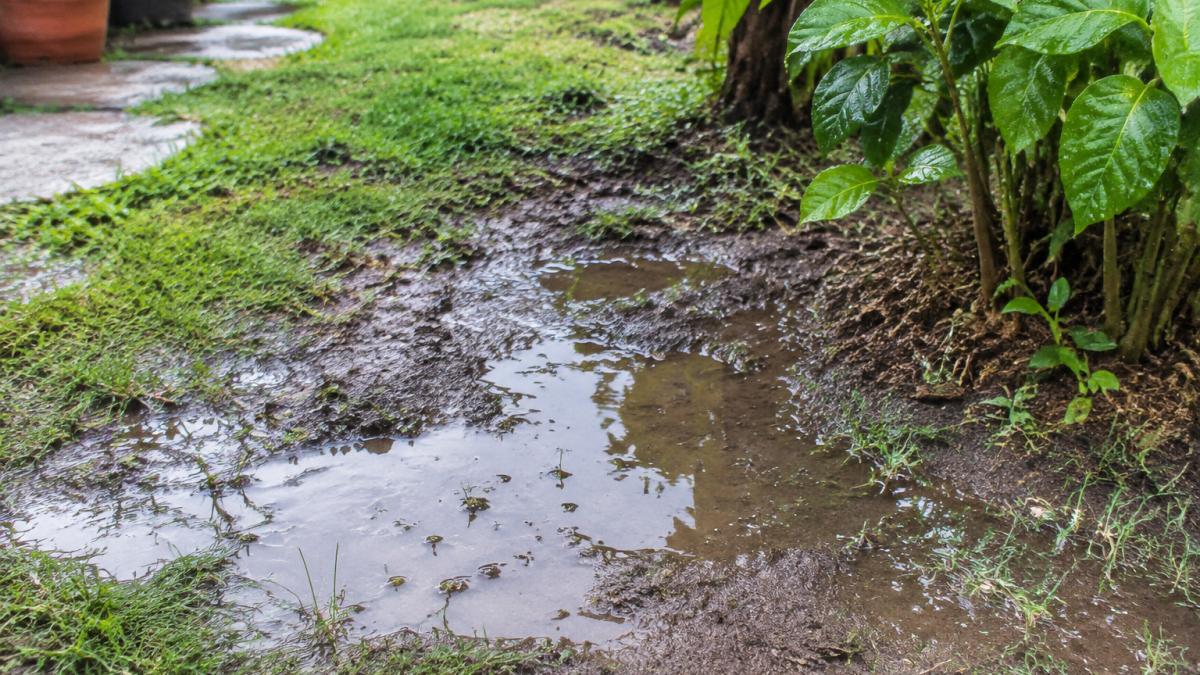
Watch out: overwatering is the most common cause of failure with drought-tolerant plants. Symptoms of too much water, yellowing leaves, wilting despite wet soil, crown rot, are often mistaken for drought stress, leading homeowners to water more. If in doubt, dig down a few inches before irrigating.
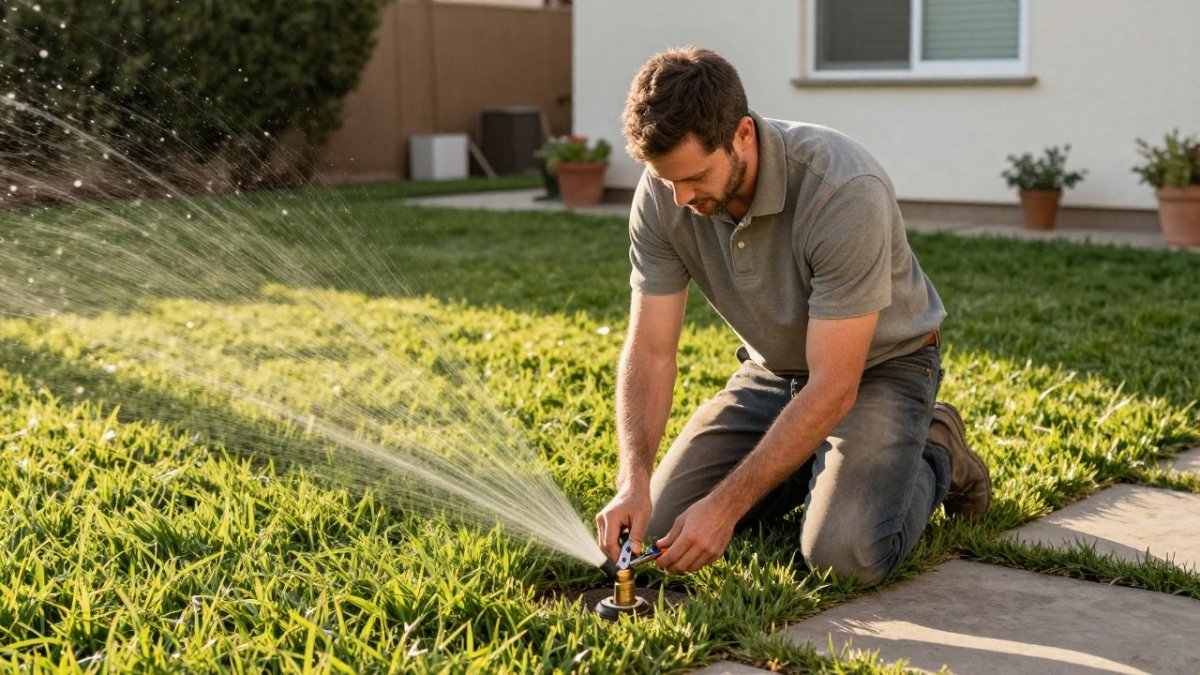
Sprinkler and drip systems should be checked regularly for leaks and misaligned heads (the EPA). Talgarden offers sprinkler repair services for homeowners in the Pasadena area. For help with planting and upkeep, you can request a free estimate for garden maintenance.
The table below summarises the establishment watering timeline described in this section.
Stage | Timing | Watering approach |
First weeks | First 4 to 8 weeks | Keep root zone moist, check daily in heat |
Early growth | Months 2 to 12 | Stretch interval, water deeply |
Established | Year two onward | Water deeply and less often |
Book Your Water-Wise Pasadena Planting Plan With Talgarden
Planning a drought-tolerant garden is easier with a professional who knows Pasadena soils, exposures and irrigation. Talgarden offers expert garden design, sprinkler repair, sod installation and hardscaping services in the Pasadena area.
To start, request a free estimate and describe your yard, sun exposure and goals. Pricing depends on the size and scope of the project, so visit Talgarden's pricing page or request a quote for current pricing.
Frequently Asked Questions
What is the most drought-resistant plant for a Pasadena garden?
Manzanita and white sage are among the most drought-resistant choices for Pasadena gardens once established. Both are native to California's dry climate and need very little supplemental irrigation after their first season. Manzanita grows slowly and suits structured beds, while white sage adds silvery foliage and fragrance. Both perform best in full sun with well-drained soil, and both can decline if overwatered, so plant them where water drains freely away from their roots.
How often should drought tolerant plants be watered after planting in Pasadena?
Most drought tolerant plants need regular watering during their first growing season so roots can establish, typically every few days in the first few weeks and then tapering to weekly deep soakings. Once established, many native shrubs and perennials need little or no summer irrigation in Pasadena. Check soil moisture a few inches down before watering, and reduce frequency gradually. Overwatering is a common cause of failure for natives such as California lilac and Cleveland sage.
Which low-maintenance drought tolerant plants grow well in pots?
Apricot mallow, white sage and California fuchsia can all be grown in containers if the pot is large enough and has drainage holes. Choose a pot at least 16 to 18 inches wide for shrubby plants, and use a fast-draining cactus or gritty potting mix rather than standard garden soil. Container plants dry out faster than ground plantings, so check them more often during Pasadena's summer heat, but still avoid keeping the soil constantly wet.
Are succulents a good choice for drought tolerant landscaping in Pasadena?
Succulents work well as accents and groundcovers in Pasadena's dry, sunny conditions, especially on slopes or in rock gardens with excellent drainage. They store water in their leaves and stems, so they tolerate long dry spells. They are less suited to shaded or consistently damp areas, and some varieties are sensitive to frost on cold winter nights. Pairing succulents with native shrubs and perennials creates texture and seasonal interest with minimal water use.
Comments