


Landscaping Project Management for Homeowners in Pasadena
Last Updated: November 24, 2026
Quick Summary
Landscaping project management for homeowners means defining a clear scope, assessing the site, ranking priorities, budgeting with a contingency, and sequencing work with written approvals. Starting with a written plan prevents most budget overruns and stalled projects.
Walk the yard at different times of day to note sun exposure, drainage and water access.
Ask every bidder to itemize materials, labor, equipment, delivery, permits and disposal.
Set aside a contingency reserve before work begins, kept separate from the main budget.
Call 811 at least a few business days before digging so utility lines are marked.
Record every change order in writing, with its cost and schedule effect, before work proceeds.
Ready to plan your Pasadena project?
Talgarden offers free estimates for landscape design, sprinkler repair, sod and hardscaping.
Table of Contents
Start With a Clear Scope and Site Assessment
Landscaping project management for homeowners in Pasadena starts before anyone picks up a shovel, and a clear plan is the foundation of effective landscaping project management. Most projects that go over budget or stall halfway began with a vague idea of "fixing the yard." Writing down exactly what you want, and walking the property with a clear checklist, prevents that. Putting your scope on paper before getting quotes helps make sure every contractor bids on the same work.
Assessing Soil, Sun, Drainage and Water Access
Walk the yard at different times of day and note where sun falls for most of the afternoon. Dig a few test holes to see whether the soil drains or pools after rain. Check where the water runoff goes when you run the hose or sprinklers, and confirm you have a working outdoor water source and a power outlet nearby for tools. These basics shape plant choices, grading needs and the sequence of work.
Landscape Project Planning: Goals, Priorities and Layout
A landscape plan answers three questions: how will the yard be used, what matters most, and where does each element go? For plant choices and layout in a dry climate, see our drought resistant landscaping guide for homeowners. Sketch the existing layout, then mark the areas you want for lawn, seating, play, planting beds and walkways. Rank the items so that if the budget tightens, you know which ones to cut first.

Designers and contractors work faster when your priorities are written down. Share the sketch and your ranked list with any firm you invite to bid.
!A homeowner and a landscape designer standing in a sunny backyard reviewing a printed site plan together
Permits, Utility Locating and Code Checks in Pasadena
Before excavating, confirm whether your project needs a permit from the City of Pasadena, particularly for grading, retaining walls, or significant changes to drainage. Call 811 at least a few business days before digging so underground utility lines are marked (811 Before You Dig). Ask your contractor who pulls permits and who schedules inspections, and make sure that responsibility is in the contract.
Building a Landscaping Project Budget With Contingency
A realistic budget separates materials, labor, equipment rental, delivery, permits and disposal of old material. Ask each bidder to itemize these categories so you can compare quotes on equal terms.
Set aside a contingency reserve before work begins. Projects that involve digging often uncover buried debris, root masses or unexpected grading issues.
Watch out: approving changes verbally during the job is how small adjustments turn into large overruns.
Landscaping Project Timeline and Sequencing Template
A landscaping project moves through a predictable order, but the homeowner's job is not just to watch the phases go by. Your job is to make decisions at the right time so the crew never stands idle waiting on you.
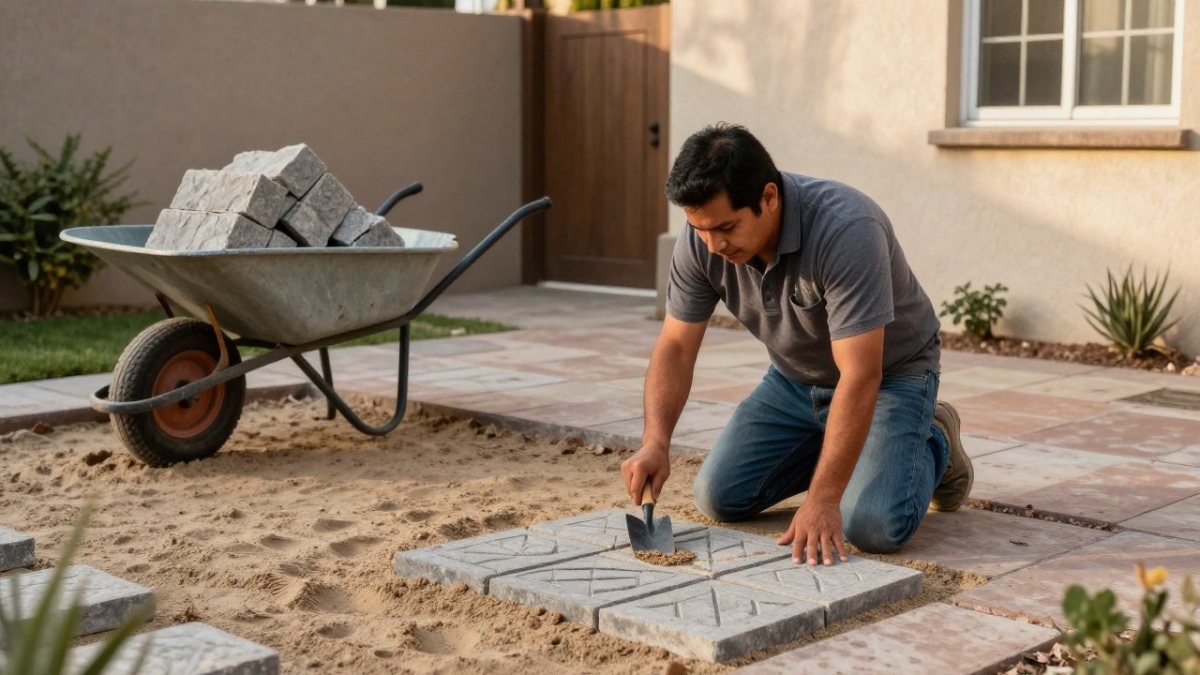
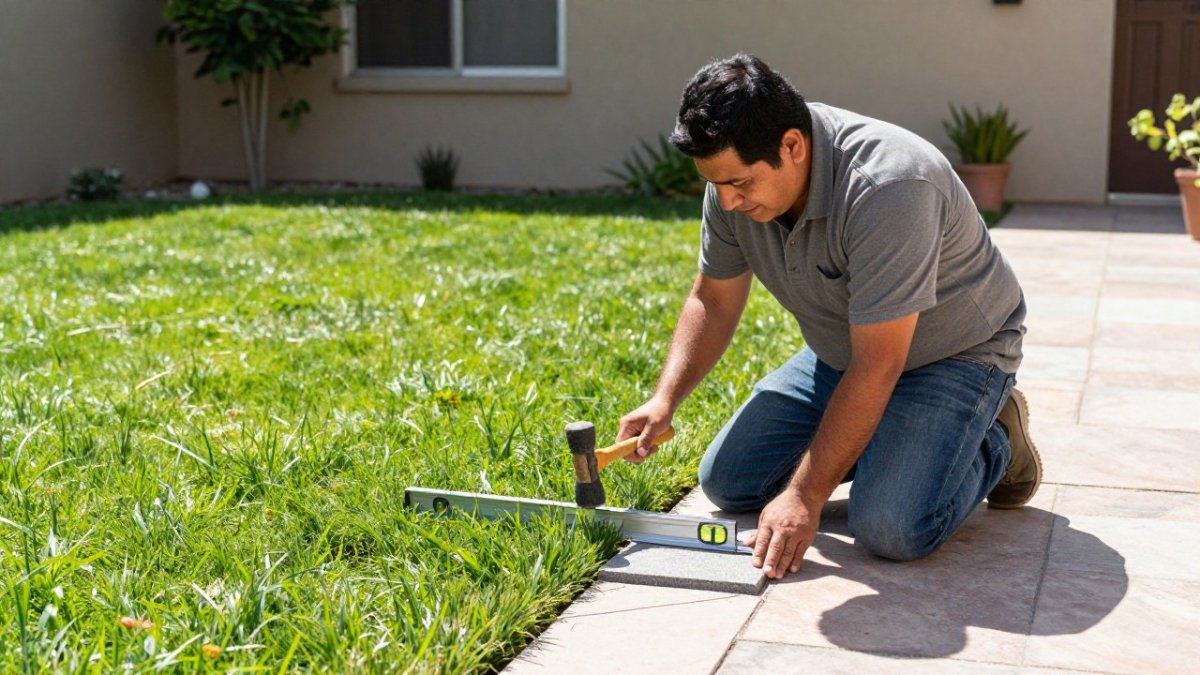
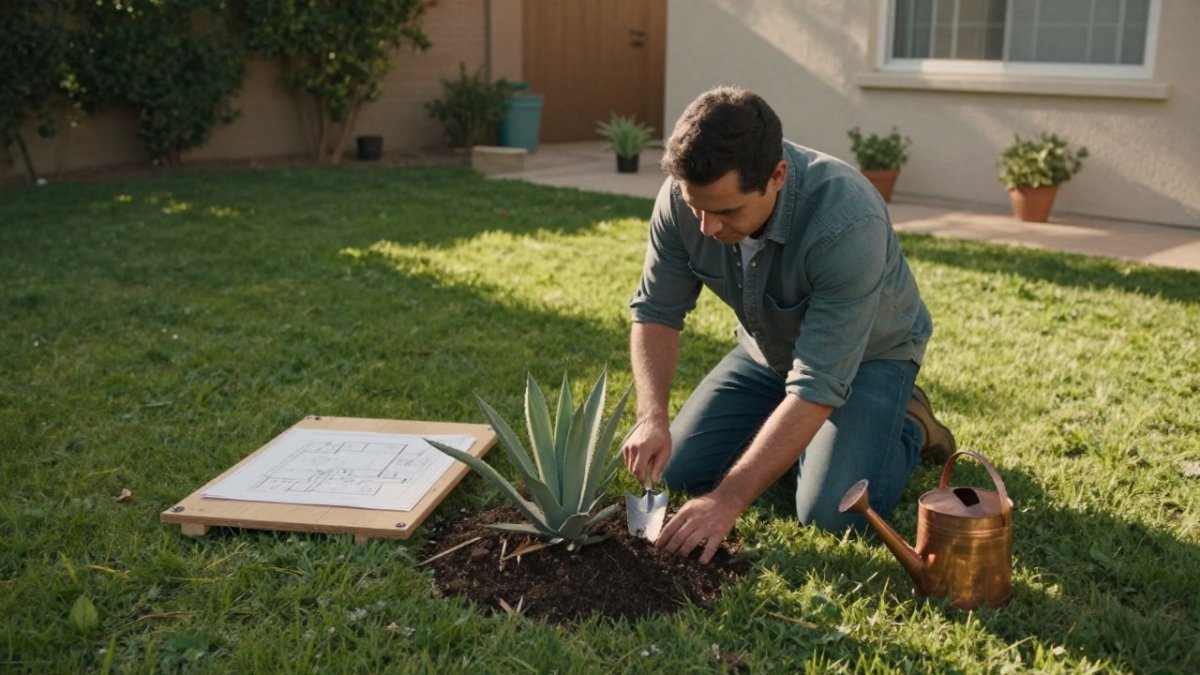
Work in a logical order: demolition and removal, grading and drainage, hardscape and irrigation, then soil preparation, planting and sod. Installing plants before irrigation lines and walkways are done usually means digging them up again.
Phase | Typical Tasks | Who Leads | Homeowner Decision or Checkpoint | Inspection Milestone |
1. Planning | Site assessment, scope, bids | Homeowner and contractor | Approve written scope and ranked priorities before requesting bids | None |
2. Permits and locate | Permit applications, 811 utility locate | Contractor | Confirm in writing who pulls permits and who pays fees | Permit issued; 811 ticket active and marked |
3. Demolition | Removal of old material, disposal | Crew | Approve disposal method and any salvage items | Site cleared and graded |
4. Drainage and grading | Grade changes, drains, soil movement | Crew | Approve any grade change that affects neighboring property | Inspection passed if required by the City of Pasadena |
5. Hardscape and irrigation | Walkways, retaining walls, sprinkler lines | Crew | Approve material samples and irrigation zone layout | Irrigation pressure test and backflow check |
6. Soil, planting and sod | Soil prep, plant placement, sod | Crew | Approve plant placement before planting; confirm substitutions in writing | Plants and sod installed per approved plan |
7. Closeout | Punch list, final walk-through | Both parties | Sign punch list; release final payment only after items are complete | Final walk-through with contractor |
Build a One-Page Decision Log
Most delays on homeowner landscaping projects come from decisions made late, not from slow crews. Keep a single sheet, paper or a shared note, with four columns: decision needed, date requested, date decided, and who approved it. Typical entries include plant substitutions, paver color, drain outlet location, and whether to keep or remove an existing tree. When a contractor asks for a choice, write it in the log the same day.
Set a Sample Schedule With Realistic Durations
A common pattern for a moderate Pasadena backyard project, new irrigation, a small patio, and planting beds, runs four to eight weeks from signed contract to punch list, depending on permit timing and material lead times. A simple planting-and-sod refresh with no hardscape often finishes in one to two weeks. Ask each bidder for a phase-by-phase schedule with start and completion dates, not a single total. Compare the schedules side by side; a bid that promises the same scope in half the time is either better staffed or underestimating the work.
Watch out: a schedule with no rain days, no permit waiting period, and no material delivery window is not a schedule, it is a guess, and it will be the first thing that slips.
Schedule Inspections Before Work Is Covered
If your project requires a permit from the City of Pasadena, common for grading, retaining walls, and significant drainage changes, inspections happen at specific points, such as after trenching and before backfill, or after framing a retaining wall and before covering it. Put the inspection dates on the schedule and confirm the contractor has requested them. An inspection missed because the crew backfilled too soon can mean re-excavation at your expense.
Use a Simple Communication Rhythm
Agree at signing on a weekly check-in, a short call or text summary on a set day, plus a single point of contact on both sides. Ask the contractor to send photos of any concealed work, such as irrigation lines and drainage before covering, so you have a record. Keep all change approvals in writing, even if the conversation happened on the phone.
Managing Contractors Versus Doing the Work Yourself
Doing the work yourself saves labor costs and lets you set your own pace, but it requires equipment, time and knowledge of grading, irrigation and planting. Tasks like sprinkler repair, trenching and retaining walls carry more risk and often need licensed professionals.
Using a single firm for design, irrigation and hardscape reduces the coordination you need to do yourself. Talgarden offers expert garden design, sprinkler repair, sod installation and hardscaping, so homeowners who want one point of contact can consolidate that work.
Compare Bids on Equal Terms
Three bids for the same scope are useful; three bids for three different scopes are not. Send every bidder the same written scope, the same sketch, and the same ranked priority list. Ask each to itemize materials, labor, equipment, delivery, permits, and disposal separately. Then compare line by line. A low total often hides a missing line, no disposal, no permit fees, or no irrigation test, that reappears later as a change order.
Verify Licensing and Insurance Before You Sign
Ask any contractor for their state license number and check it with the state licensing board, where you can confirm the license is active and see any disciplinary history. Ask for a certificate of insurance showing general liability and workers' compensation coverage, and call the insurer to confirm the policy is current. If a crew member is injured on your property and the contractor has no workers' compensation insurance, the cost can come back to you.
Structure Deposits and Payments Around Milestones
A common pattern is a modest deposit at signing, with the balance released at defined milestones, demolition complete, hardscape complete, planting complete, punch list signed. A request for a large upfront payment is a warning sign. Never pay the final amount before the punch list is complete and you have walked the site.
Define Deliverables and Warranties in the Contract
The contract should state what is installed, what materials and brands are used, who pulls permits, the start and completion dates, the payment schedule, and the warranty terms. Ask specifically about plant and sod warranties, how long they run, what voids them (such as missed watering), and who performs the replacement. Get the warranty in writing; a verbal promise is not enforceable.
Handle Change Orders in Writing
A change order is any addition, deletion, or substitution after the contract is signed. Require each change order to state the work, the cost, and the effect on the schedule, and sign it before the crew proceeds.
Watch out: a contractor who asks you to pull the permit in your own name, or who offers to skip the permit, is shifting risk and liability onto you, confirm permit responsibility in the contract before work begins.
Landscape Contractor Checklist Before You Sign
Before signing, confirm the following in writing:
Contractor license number and proof of insurance
Itemized quote covering materials, labor, and disposal
Permit responsibility and inspection schedule
Start and completion dates with a payment schedule tied to milestones
Warranty terms on plants, sod, and sprinkler work
Written process for approving change orders
Names of local references you can call
Ask for references and call at least two of them. Ask whether the work held up, whether the crew cleaned up, and whether the project finished on schedule.
Book Your Free Estimate and Start Your Project Plan
Talgarden offers free estimates for landscaping projects in the Pasadena area. Schedule a free estimate to walk your property with the team and get a written plan for your project. If you manage commercial or multiple residential properties, request a commercial property maintenance estimate for an in-person assessment. Before your visit, write down your goals, rank your priorities, and gather any existing site plans so the estimate reflects your actual needs.
Frequently Asked Questions
How long does a residential landscaping project take?
Timelines depend on scope, weather, material lead times and how quickly decisions are made. A small planting or sod refresh may take a few days on site, while a full redesign with hardscaping, irrigation and grading often runs several weeks or longer. Build in buffer time for rain and for inspections, and ask your contractor to share a sequenced schedule with milestones before work starts. Pricing and scheduling details can be discussed when you request a quote from Talgarden through the website.
How do you set a budget for a landscaping project?
Start by listing every component: design, demolition, grading and drainage, plants, sod, hardscape materials, sprinkler work and cleanup. Ask for itemized estimates so you can compare scope rather than totals alone. Then add a contingency reserve, commonly planned as a percentage of the project cost, to cover unexpected soil or irrigation issues discovered once work begins. Talgarden offers free estimates, and current pricing information is available on its website.
What should homeowners ask a landscape contractor before work begins?
Ask for proof of licensing and insurance, including the contractor's state license number, and request recent references you can call. Confirm who is responsible for permits, utility locating and inspections, and get the scope, materials, payment schedule and change-order process in writing. Ask how schedule changes and delays are communicated and who will supervise the crew on site each day.
How can homeowners manage changes or delays during a landscaping project?
Document every change in writing before the work is performed, including the cost and schedule impact, and sign off on it. Keep a simple decision log with dates so you can see which choices are holding up progress. Schedule short weekly check-ins with your contractor to review the punch list and upcoming milestones. Weather and material delays are normal, so the contingency reserve in your budget is what keeps those delays from becoming financial problems.
Comments