


Is Hardscaping or Softscaping Right for Your Yard?
Last Updated: November 7, 2026
Quick Summary
Hardscaping vs softscaping is not really an either-or choice. Hardscaping covers the built, non-living parts like patios and walkways, while softscaping covers living elements like lawns and plantings. Most yards need both, and the right balance depends on how the space is used and how much maintenance you can support.
Hardscaping is durable and low-maintenance once installed, but has higher upfront material and labor costs.
Softscaping adds color, texture, and seasonal change but needs ongoing water, pruning, and replacement.
Hard surfaces define where people walk and gather, while plants soften edges and make the space feel lived-in.
Sort your yard by use, maintenance tolerance, existing shade and slope, and the split between installation and ongoing care budgets.
Walk the site before pricing, since grading, drainage, and access often change project scope more than finish materials do.
Hardscape or softscape, which does your yard need?
Talgarden designs and builds both sides of a yard, from patios and walls to lawns and planting.
Table of Contents
Hardscaping vs Softscaping: What Each One Means
Hardscaping is the built, non-living part of a landscape: patios, walkways, retaining walls, driveways, fences, and fire pits. Softscaping is the living part: lawns, shrubs, trees, flowers, and planting beds. Most yards need both, and the real question is how much of each your property and budget can support.
When weighing hardscaping vs softscaping, we at Talgarden design both sides of a yard, so the choice is rarely either-or. Hardscaping gives a space structure, access, and usability. Softscaping adds color, texture, seasonal change, and natural appeal. The two work together: hard surfaces define where people walk and gather, while plants soften edges and make the space feel lived-in.
Hardscaping and softscaping differ in how they age and what they demand. Hard materials are largely permanent and need periodic cleaning and resealing. Living elements change every season and need water, pruning, and replacement over time. Knowing that difference up front helps you plan maintenance before it becomes a problem.
Hardscape Examples Homeowners Commonly Choose
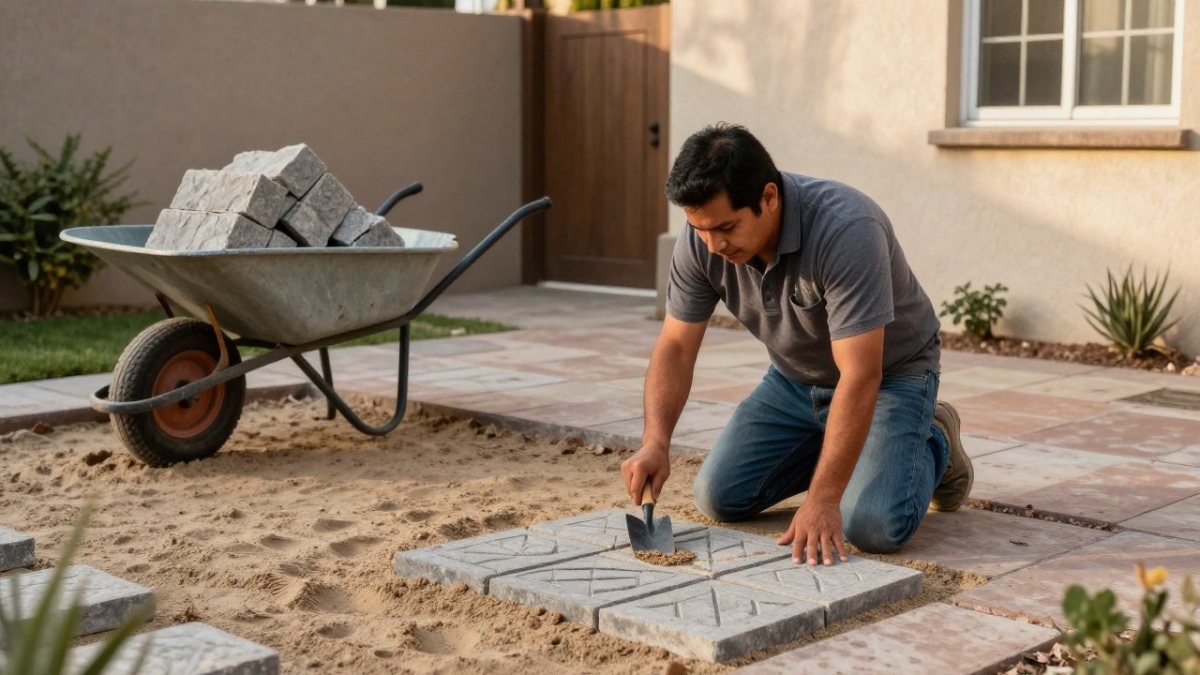
Common hardscape choices include concrete or paver patios, stone walkways, retaining walls that level a sloped lot, and outdoor fire pits or seating walls. You can see completed built-structure projects on Talgarden's landscaping work. Each one serves a function first. A patio creates a dining or lounging area, a retaining wall controls erosion and creates usable flat ground, and a walkway guides foot traffic across lawns and planting beds.
For readers comparing paver options, our guide to Black Diamond Pavers vs DLT: How to Compare Them walks through the trade-offs in detail.
Material choice matters in Southern California heat, and the right surface depends on the specific site.
Pros of hardscaping:
Durable and low-maintenance once installed
Creates clear, usable zones for dining, play, and access
Manages slopes and drainage with retaining walls and grading
Cons of hardscaping:
Higher upfront material and labor cost
Limited seasonal visual change
Can increase heat reflection and runoff if poorly planned
The table below summarises the hardscape pros and cons covered in this section.
Hardscape aspect | Detail |
Durability | Durable and low-maintenance once installed |
Main benefit | Creates clear, usable zones for dining, play, and access |
Slope control | Manages slopes and drainage with retaining walls and grading |
Upfront cost | Higher upfront material and labor cost |
Seasonal change | Limited seasonal visual change |
Heat and runoff | Can increase heat reflection and runoff if poorly planned |
Softscape Design: Plants, Lawns, and Living Elements
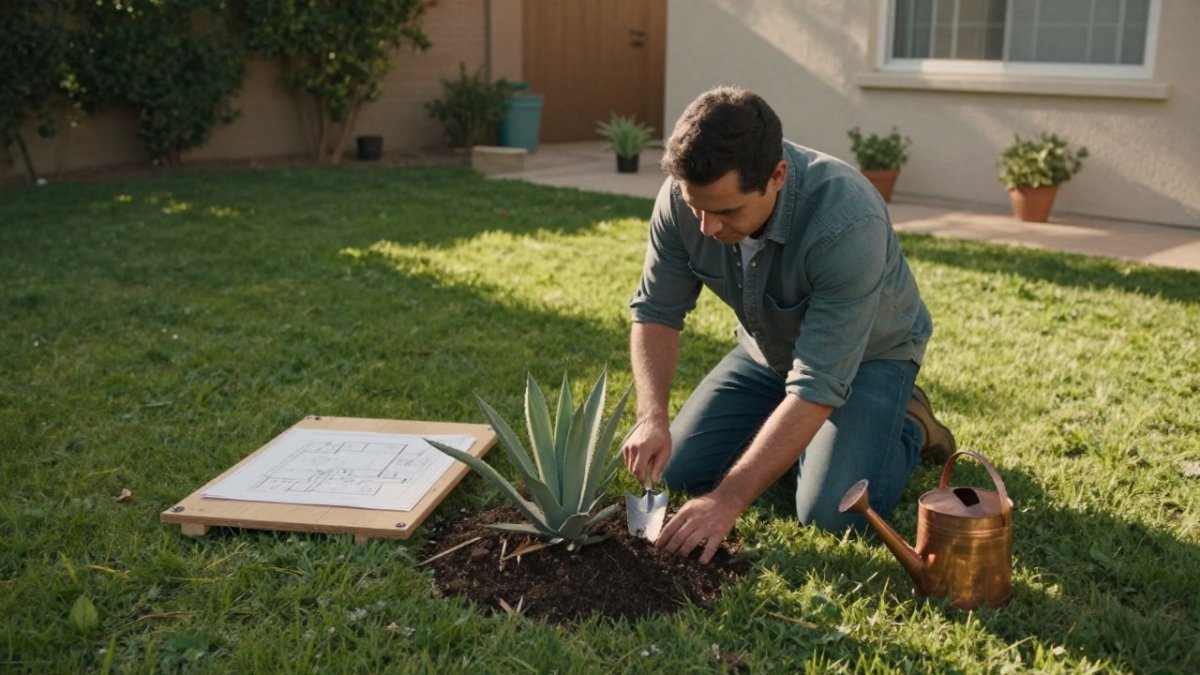
Softscaping covers everything that grows: turf, groundcovers, shrubs, perennials, and trees. In a Pasadena yard, the plant palette matters as much as the installation. Drought-tolerant and water-wise plants reduce irrigation needs, while lawn areas should be sized to what the family actually uses.
For a living lawn, professional sod installation can give a finished look quickly, but it has to match the site's grading, soil, and irrigation. Our professional sod installation service for Pasadena lawns covers how that work is planned and done. Compost also plays a role. Our article on compost for your lawn in Southern California explains how it supports soil health and drought resilience.
Softscape elements also need planning for maintenance. Sprinkler coverage, mowing access, and bed edges all affect how much upkeep the yard will require. A common mistake is planting thirsty species in a hot, exposed spot and then wondering why the bed struggles every summer.
Pros of softscaping:
Adds color, texture, and seasonal interest
Softens hard edges and improves the feel of a space
Supports soil and biological life when planted well
Cons of softscaping:
Requires ongoing water, pruning, and replacement
Plants can fail if the site conditions are wrong
Lawns and beds may need more maintenance than hard surfaces
How the Hardscaping and Softscaping Design Approach Works in Practice
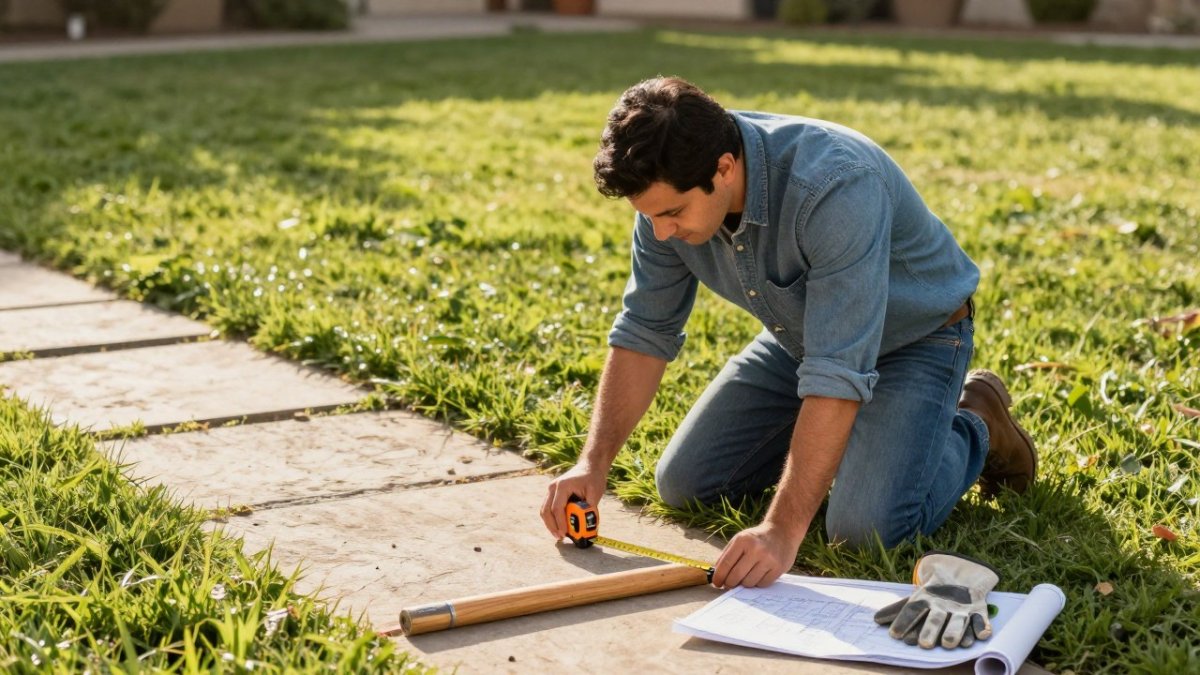
A practical hardscaping and softscaping design approach starts with the site, not the materials. Walk the yard, note where the sun falls, where water pools, and where people actually walk. Then decide which areas need structure and which need living cover.
Most projects follow the same sequence. First, define the functional zones: a seating area, a path to the garage, a play lawn. Next, set the hard edges that hold those zones together. Then layer in planting to soften those edges and fill the remaining space. Finally, plan transitions, such as a bed edge that meets a patio or a stepping path through a lawn.
Transitions are where many yards look unfinished. A hard edge that meets a planting bed with no border can look abrupt, while a well-placed edging stone or change in grade ties the two together. Think of the transition as the part of the design that makes the two halves read as one landscape.
Balancing Built Structure and Living Elements in Pasadena Yards
Pasadena yards are shaped by a specific set of conditions: hot, dry summers, intense afternoon sun on south- and west-facing exposures, occasional heavy winter rain, mature trees with protected root zones, and irrigation systems that were often installed decades ago. Balancing hardscape and softscape here is less about a fixed ratio and more about matching each zone to how it will be used, how much shade it gets, and how much water and maintenance it can justify.

A practical way to set the balance is to sort the yard into four questions. First, how is the space used, dining, play, pets, circulation, or mostly viewed from inside? Second, how much maintenance can the owner realistically sustain? Third, what does the site already provide in shade, slope, and drainage? Fourth, what is the budget for installation versus the budget for ongoing care? Hardscape tends to win where use is heavy and maintenance tolerance is low; softscape tends to win where shade, view, and seasonal change matter more than daily function.
Heat and surface comfort should drive material and layout choices. Light-colored pavers and permeable surfaces stay cooler underfoot than dark concrete in direct afternoon sun, and shade structures or tree canopy over a patio can make a hard surface usable in months when an unshaded one is not. Slip resistance matters around water features, pool decks, and irrigated beds. For accessibility, continuous, level paths with gentle cross-slopes and firm, stable surfaces serve aging residents and visitors better than stepped paths through planting beds.
Water is the other half of the balance. Pairing drip irrigation with drought-tolerant beds and keeping turf only where it is actually used reduces demand without losing the yard's appeal. Permeable paving, grading that directs runoff away from foundations, and planted swales can redirect water rather than send it to the street. In Pasadena, work that alters slopes, drainage paths, or retaining walls may require a permit or professional review, so check with the City of Pasadena before starting that scope. Our team can help you plan around those requirements, and you can see completed projects that combine hard and soft elements on our Projects page.
What Hardscaping Costs Compared With Softscaping
Hardscaping and softscaping differ less in whether they cost money than in when and how they cost it. Hardscape is front-loaded: excavation, base preparation, materials, and labor are concentrated in the installation phase, and after that the surface mostly needs cleaning, joint sand replenishment, and occasional resealing. Softscape is back-loaded: installation can be lower, but water, pruning, mowing, fertilization, pest treatment, and plant replacement recur every year. Comparing the two on sticker price alone is the most common budgeting mistake in Pasadena yards.
The cost drivers for hardscape are site access, the amount of grading or drainage work, base depth, material selection, and edge conditions. A flat, accessible patio with a standard base is a very different project from a sloped lot that needs a retaining wall, a stepped path, and a drainage correction before any finish material goes down. Those site conditions, not the paver color, usually move the number most.
The cost drivers for softscape are plant size at installation, soil preparation, irrigation design, and the water demand of the palette. A drought-tolerant bed on drip irrigation has a different long-term cost profile than a turf lawn on overhead spray, especially in a Pasadena summer. Larger specimen trees and mature shrubs raise the upfront number but can reduce replacement costs later if they are sited correctly.
Lifecycle cost is where the two approaches separate. Hardscape tends to have a high installation cost and a low annual cost, with periodic repair after settling, root uplift, or joint failure. Softscape tends to have a lower installation cost and a higher annual cost, with water, maintenance labor, and plant loss concentrated in hot, dry years. A yard that leans heavily on softscape needs a maintenance budget, not just an installation budget.
Watch out: quoting a per-square-foot price before the site is walked is the fastest way to misjudge a Pasadena project, because grading, drainage, and access can change the scope more than the finish material does. Pricing depends on site conditions, project scope, and materials. For current pricing, see Talgarden's pricing page or request a free estimate so your project can be quoted against your actual site.
Choosing the Right Mix for Your Property and Budget With Talgarden
The right mix depends on how you use the yard, how much maintenance you want to take on, and how much you plan to spend. A low-maintenance property may lean toward hardscape with planted accents. A family that uses the lawn daily may keep turf and add a modest patio. Neither approach is right for every yard.
Start by listing what you want the space to do, then decide which parts need structure and which need living cover. If you are unsure, a site visit usually clarifies the trade-offs quickly. Talgarden handles design, sprinkler repair, sod installation, and hardscaping, so you can work with one team.
Ready to see what a balanced design could look like in your yard? Schedule your estimate today with Talgarden, a Pasadena landscaper with a focus on functional, sustainable outdoor spaces.
Frequently Asked Questions
What is the difference between hardscape and softscape?
Hardscape refers to the non-living, built elements of a landscape, such as patios, walkways, retaining walls, driveways, fences, and fire pits. Softscape refers to the living elements, including plants, flowers, trees, shrubs, and lawns. Hardscaping provides structure, stability, and usability, while softscaping adds color, texture, seasonal change, and natural appeal. Most well-designed yards use both, with built features defining how the space is used and planted areas softening and framing it.
Which costs more, hardscaping or softscaping?
Hardscaping usually requires a larger upfront investment because it involves excavation, base preparation, and materials such as pavers, stone, or concrete. Softscaping costs vary widely depending on plant selection, lawn installation, and irrigation needs. Pricing depends on project size, materials, site conditions, and labor. Talgarden offers free estimates, and current pricing information is available on the Talgarden website.
How much of a landscape should be hardscape?
There is no single correct ratio. Many homeowners balance built areas with planted areas based on how they plan to use the yard. A yard used for dining and gathering may need more hardscape, while a yard focused on play or relaxation may favor lawn and plantings. A professional designer can help assess the site, drainage, sun exposure, and how the space will be used before recommending a balance.
How can Pasadena homeowners choose plants and hardscape materials for a yard?
Pasadena homeowners should consider sun exposure, heat, irrigation needs, and drainage when selecting plants and hardscape materials. Water-wise plantings can reduce irrigation demand, and material choices should account for heat and foot traffic. Local site conditions and any permitting or drainage requirements should be reviewed before installation. A free estimate from Talgarden can help identify which options fit a specific property.
Comments