


Is a Complete Garden Redesign Worth the Cost in Pasadena?
Last Updated: October 28, 2026
Quick Summary
A complete garden redesign is worth the cost when you need more usable outdoor space, better drainage, or lower water use, and when the proposal is written as a clear, line-item scope. Costs depend on demolition, hardscaping volume, irrigation changes, soil work, and plant selection, so compare bids on the same scope. Start with a site visit and a written design before committing.
Ask every bidder to price the same eight line items so proposals compare fairly.
Compare design-only proposals only against design-only proposals, not design-build quotes.
Get rebate pre-approval before removing lawn, since replacing it first often disqualifies the project.
Check HOA architectural guidelines and permit requirements before finalizing the design.
Ask whether a soil assessment is part of the site visit to confirm drainage and compaction.
Table of Contents
Is a complete garden redesign worth the cost in Pasadena? Talgarden, a professional landscaping company serving the Pasadena area, offers garden design, sprinkler repair, sod installation, and hardscaping. The sections below cover considerations for a full redesign, pricing, timelines, and choosing a provider.
What a Complete Garden Redesign Service Includes
Talgarden offers garden design and hardscaping services, as well as sprinkler repair and sod installation. Browse its landscape install services to see what a full new landscape install covers and request an estimate.

Design, Hardscaping, and Sprinkler Work Under One Contract
Talgarden offers garden design, sprinkler repair, sod installation, and hardscaping. See its professional landscape design and install offering for design, hardscaping, and sprinkler work under one contract.
Homeowners should ask for a written scope that lists each phase, the materials, and who is responsible for permits. A clear scope makes it easier to compare proposals and to spot gaps before work begins.
Garden Redesign Cost: What Drives the Price
Pricing for a garden redesign depends on the project. Request a free estimate or check Talgarden's website for current pricing information. You can also get an online complete service estimate for your own garden.
What separates a useful estimate from a vague one is how the proposal breaks the job into measurable units. Ask for a line-item scope that prices each of the following separately, so you can compare bids apples to apples:
Design and planning: A site visit, measured base plan, and planting plan are usually billed as a flat design fee or credited against the installation if you book the build.
Demolition and haul-off: Removing old concrete, lawn, or overgrown plantings is priced by square footage and by dumpster or hauling loads. This line is frequently omitted from low bids.
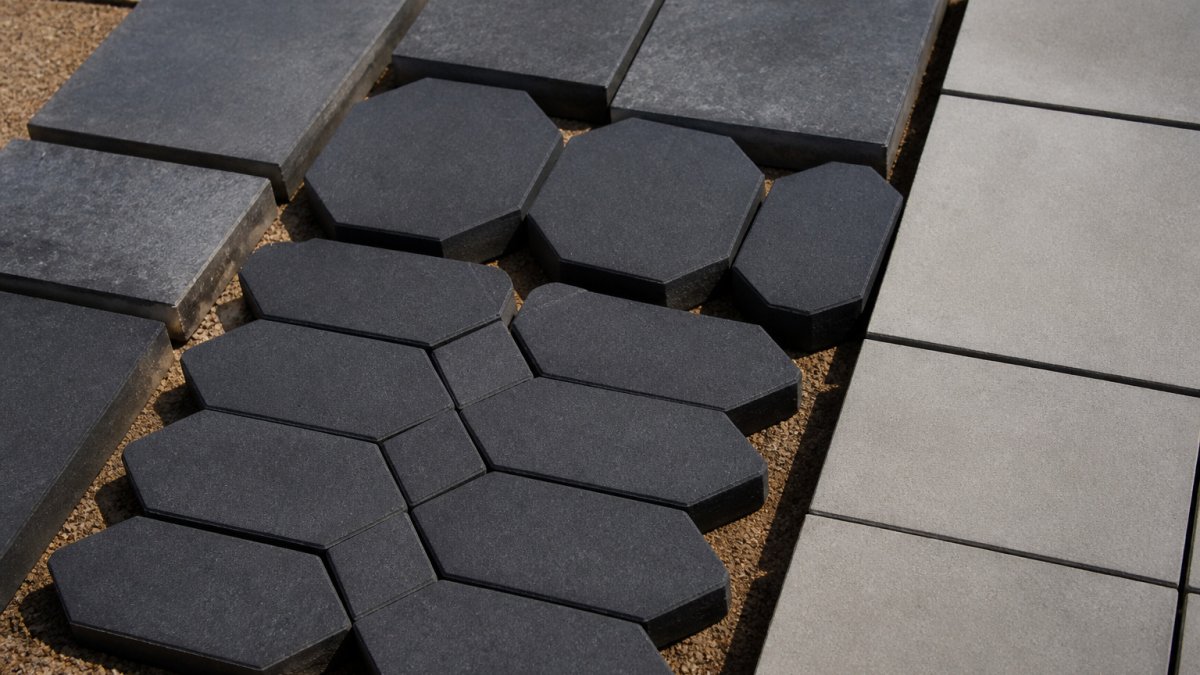
Hardscaping volume: Patios, retaining walls, and walkways cost more per square foot than planting beds because of base preparation, drainage, and material weight. Retaining walls add a second cost layer when they require engineering or a permit.
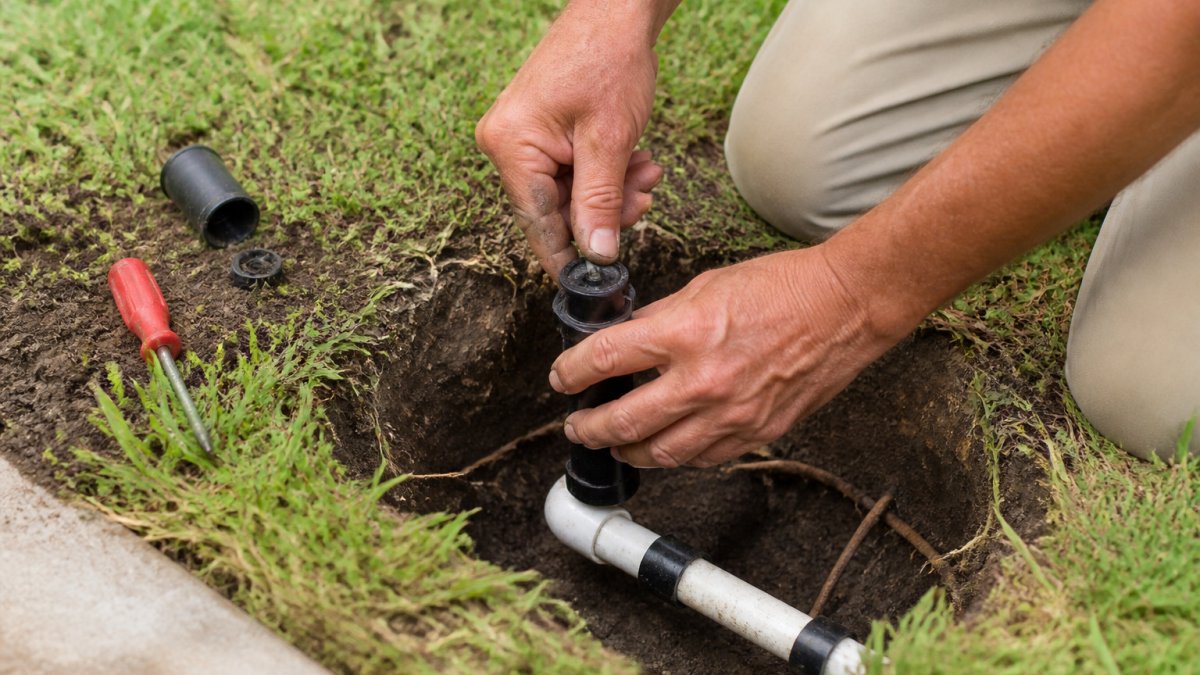
Irrigation changes: Rerouting or replacing sprinkler zones adds labor, especially when lines run under new paving. Converting spray heads to drip in planting beds is a smaller line item than a full mainline replacement.
Soil work and grading: Poor soil, compacted subgrade, or a yard that drains toward the house requires preparation before planting. Grading and amendment are priced by cubic yard and by labor hours.
Plant selection: Mature trees and specialty plants cost more than a basic seasonal palette. A native and drought-tolerant palette is often less expensive to install and cheaper to keep alive than a high-water exotic planting.
Sod versus seed versus groundcover: Sod is the fastest and most expensive option per square foot; seed is cheapest but slower and less reliable on slopes; groundcover and mulch reduce both water use and long-term maintenance.
Cleanup and closeout: Final grading, mulch, and debris removal should be a stated line, not an afterthought.
Homeowners comparing quotes should confirm that each one covers the same scope.
Watch Out Do not compare a design-only proposal against a design-build proposal. They cover different work, and the lower number is not a discount, it is a smaller job.
Key Takeaway Ask every bidder to price the same eight line items above. The proposal that itemizes the most, not the one with the lowest total, is usually the one that will not surprise you mid-project.
Garden Renovation Timeline: From Site Visit to Planting
A typical garden renovation moves through a sequence: site visit, design approval, permitting where required, demolition and grading, hardscape and irrigation installation, then soil preparation, planting, and sod. Each phase depends on the one before it, so delays in approval or permits push back everything that follows.
The renovation moves through a fixed sequence, and each phase depends on the one before it.
Step | What happens | Note |
Site visit | Assess the yard and design | First step |
Design approval | Client signs off on design | Before permits |
Permitting | Obtain permits where required | Can delay later steps |
Demolition and grading | Remove old features and grade the site | Follows approval |
Hardscape and irrigation | Install paving, walls and sprinklers | Before soil prep |
Soil prep, planting and sod | Prepare soil, plant and lay sod | Final phase |
Pasadena Climate, Soil, and Water-Wise Planning
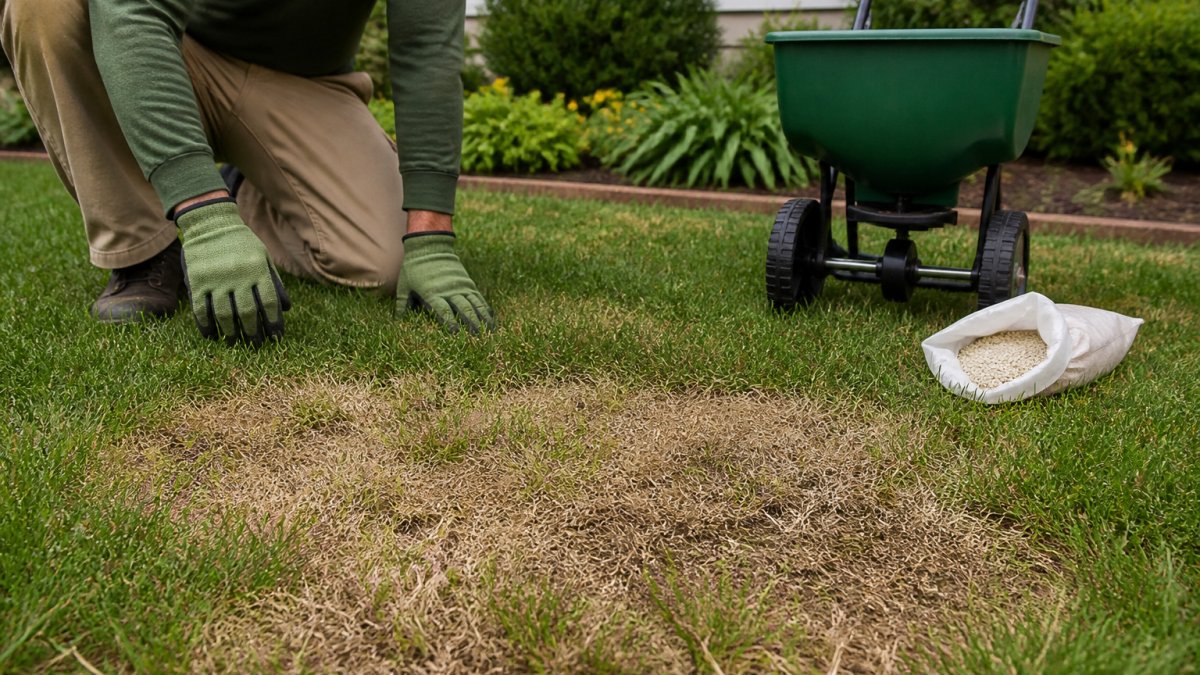
Soil is equally important. Many yards have compacted or poorly draining soil, and addressing that before planting improves root health and reduces irrigation demand. Ask your provider whether a soil assessment is part of the site visit. When you are ready to begin, you can schedule a site visit with the company.
Microclimates Across the San Gabriel Valley
South- and west-facing walls and patios collect heat and dry out fast. Plant heat- and reflected-light-tolerant species here and give them their own drip zone.
North-facing beds and shaded side yards stay cooler and hold moisture longer. These are the spots for shade-tolerant natives and for reducing irrigation frequency.
Slopes and berms shed water before it soaks in. They need deeper mulch, swales, or terracing, and they are the first place to show erosion if grading is skipped.
Low spots and swales collect runoff from the rest of the lot. Fix drainage before planting, or the new beds will sit in water after the first winter storm.
Soil: What to Expect and What to Ask
Local soils commonly run toward clay and compacted fill, especially in older neighborhoods where grading and construction left a hardpan layer under the lawn. Compacted soil sheds water, so sprinklers run longer while roots stay dry. A soil assessment at the site visit should answer three questions: how deep the topsoil is, how fast water infiltrates, and whether amendment or aeration is needed before planting. If a provider cannot answer those, the planting plan is a guess.
Water-Wise Planning and Rebate Programs
Homeowners should check with their local water agency about current conservation programs, since eligibility and rebate amounts change over time.
Rebates usually require pre-approval. Most turf-replacement and irrigation-upgrade programs require an application and sometimes a pre-installation inspection before work begins. Replacing the lawn first and applying afterward commonly disqualifies the project.
Rebates are tied to specific measures. Turf removal, drip conversion, and smart controllers are the measures most often funded; hardscape and plant purchases usually are not. Ask the water agency which measures are currently open before the design is finalized.
Permits and HOA Approval Before You Plant
If your property is in a homeowners association, check the HOA's architectural guidelines before finalizing the design.
Pro Tip Request the permit and HOA requirements in writing at the design stage, and keep the approval dates on the project schedule next to the demolition date. If approval slips, demolition slips with it.
Landscape Design and Installation: One Team or Several Contractors?
Using several contractors can work for a simple project, but it requires the homeowner to manage the schedule and resolve conflicts. For a full redesign that touches hardscape, plumbing-style irrigation work, and planting, a single accountable team is usually the more efficient path.
Permits, HOA Approval, and Choosing Your Provider
If your property is in a homeowners association, check the HOA's architectural guidelines before finalizing the design.
Talgarden identifies itself as an LLC. Request references from recent projects, and ask to see completed work in person or in photos. Compare written proposals line by line, and ask how the company handles changes during construction.
Turning a Backyard Garden Makeover Into a Booked Project
A backyard garden makeover is worth booking when you have a clear goal, such as more usable outdoor space, better drainage, lower water use, or a yard that matches the rest of the property. Start with a site visit and a written scope, then review the design before committing.
Talgarden offers free estimates. Schedule your estimate today. Before committing, you can see completed projects that show the quality of past redesigns.
Frequently Asked Questions
What does a complete garden redesign service include?
A complete garden redesign usually covers a site consultation, a written design plan, soil preparation, planting, hardscape work such as patios, paths, and retaining walls, and sprinkler system installation or repair. Talgarden handles design, sprinkler repair, sod installation, and hardscaping under one contract, so homeowners do not have to coordinate separate contractors. Ask any provider to put the scope of each phase in writing before you sign, including who handles permits and cleanup.
How much does a full garden redesign cost?
Costs depend on the size of the yard, the amount of hardscaping, the irrigation work, and the plant palette. Talgarden does not publish fixed price ranges in this article. Pricing depends on project scope, materials, and timing, and Talgarden offers free estimates so you can compare a written quote for your specific property against other bids. Request an estimate on the Talgarden website to get current pricing for your yard.
How long does a garden redesign project take?
Timelines vary with project size. Design and permitting typically come first, followed by grading, hardscape construction, irrigation installation, and planting. Planting and sod work are often weather dependent in Southern California, so schedules should include buffer time. Ask for a project timeline with milestones in your estimate so you can plan around the work.
Can a garden redesign include hardscaping and irrigation?
Yes. A full redesign can combine hardscaping such as pavers, patios, and retaining walls with new sprinkler zones and drip irrigation for planting beds. Coordinating these elements in one plan helps avoid trenching through finished pavers and reduces rework. Talgarden offers expert sprinkler repair and hardscaping as part of its services.
Comments