


Drought Resistant Landscaping for Homeowners: A 2026 Guide
Table of Contents
Why Drought Resistant Landscaping Matters for Homeowners
Assessing Your Property: Climate, Soil, and Sun Exposure
Selecting Drought-Tolerant Plants for Your Region
Drought-Tolerant Landscaping Ideas to Transform Your Yard
Lawn Reduction and Replacement Strategies
Hardscaping and Mulch for Water Retention
Drip Irrigation for Drought-Tolerant Gardens: Setup and Efficiency
Drought-Resistant Landscaping and HOA Rules: What You Need to Know
Plant Establishment and Long-Term Maintenance
Budgeting Your Drought-Resistant Landscape Project
Frequently Asked Questions
Last Updated: October 18, 2026
Why Drought Resistant Landscaping Matters for Homeowners
Drought resistant landscaping transforms outdoor spaces while reducing water consumption, a practical solution for homeowners facing rising utility costs and environmental concerns. This approach combines aesthetic appeal with resource efficiency, creating yards that thrive with minimal intervention.
Water scarcity affects property values and maintenance budgets. Homeowners who invest in drought resistant landscaping typically report lower monthly water bills and reduced time spent on upkeep. The shift from traditional lawns to native plants and hardscaping creates landscapes that actually improve during dry periods rather than decline.
At Talgarden, we've worked with hundreds of homeowners in the Pasadena area who initially worried that drought resistant landscaping would mean sacrificing beauty. The reality is the opposite.
This guide covers everything you need to transform your property into a sustainable, water-efficient outdoor space. We'll walk you through assessing your site, selecting appropriate plants, designing with purpose, and managing your landscape long-term.
Assessing Your Property: Climate, Soil, and Sun Exposure
Before selecting plants or breaking ground, understand your property's specific conditions. Climate zone, soil composition, and sun exposure determine which drought-resistant plants will thrive, and which will struggle.
Start with your hardiness zone. The USDA divides the country into zones based on average minimum winter temperatures (2023 USDA Plant Hardiness Zone Map). Pasadena sits in zones where many Mediterranean and California native plants flourish.
Soil type matters equally. Most drought-resistant landscapes perform best in soil amended with organic matter, compost or aged bark, to improve water retention without creating drainage problems.
Map your sun exposure. Full sun areas (6+ hours direct sunlight daily) support different plants than partial shade locations. Afternoon sun exposure in hot climates affects plant selection differently than morning sun.
Test your soil drainage by digging a hole, filling it with water, and observing how quickly it drains. Well-draining soil typically empties within 24 hours.
Selecting Drought-Tolerant Plants for Your Region
Plant selection is where drought resistant landscaping succeeds or fails. The right plants establish quickly, require minimal water after their first growing season, and provide year-round visual interest.
Native plants adapted to your region are the foundation. These species evolved under local climate conditions and typically require no supplemental water once established.
Regionally adapted plants from similar climates work equally well. Mediterranean species like rosemary, lavender, and santolina thrive in zones with dry summers and mild winters.
Consider plant layers for visual depth. Drought-tolerant trees provide structure and shade.
Flowering plants add seasonal color without requiring high water. Desert marigold, California poppy, blanket flower, and penstemon provide blooms in spring and summer.
Avoid plants requiring consistent moisture. Hydrangeas, ferns, and shallow-rooted ornamentals will struggle in drought resistant landscaping unless you're willing to irrigate them regularly, defeating the water-conservation purpose.
Drought-Tolerant Landscaping Ideas to Transform Your Yard
Practical design transforms drought resistant landscaping from a water-saving strategy into an attractive outdoor living space. These ideas work for front yards, small properties, and complex landscapes.

Create focal points with specimen plants. A single large native oak or sculptural shrub draws the eye and anchors the design. Group smaller plants around these anchors rather than scattering specimens randomly across the yard.
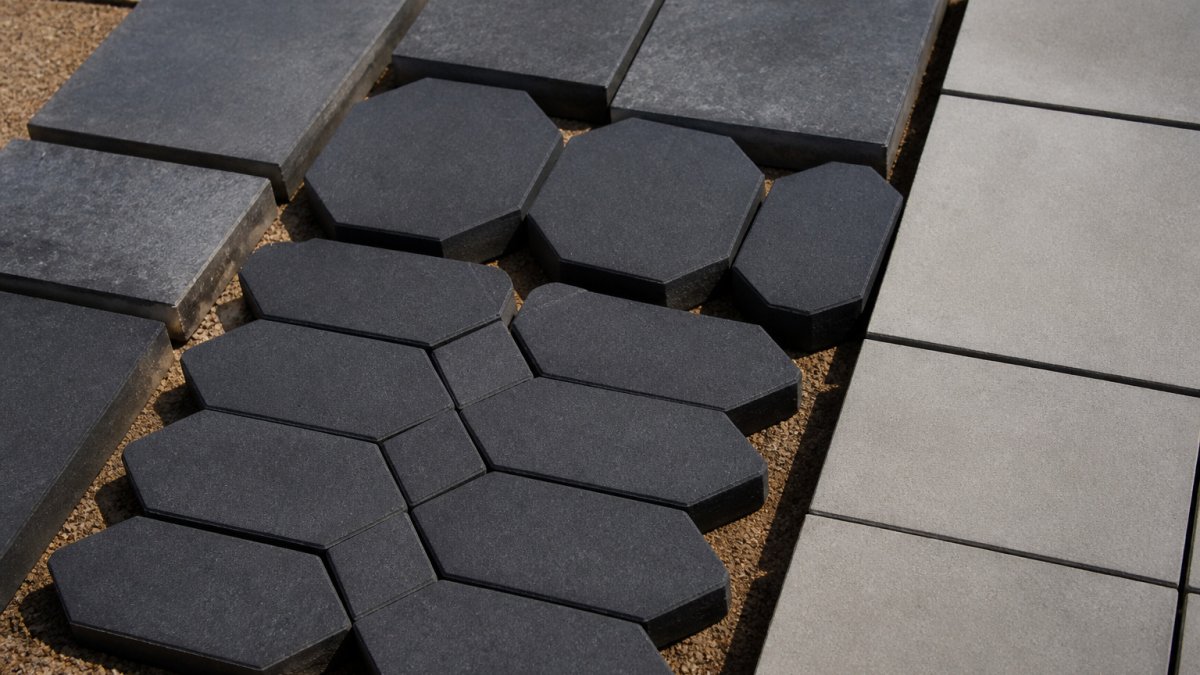
Use hardscaping to replace lawn. Decomposed granite, permeable pavers, and decorative rock create walkways, seating areas, and visual interest while eliminating water-hungry turf.
Design layered plantings by height. Tall plants in back, mid-sized shrubs in the middle, and groundcovers in front create depth and prevent a flat appearance. This layering also improves air circulation and reduces disease pressure.
Incorporate color through foliage rather than relying solely on flowers. Silver-leafed plants like artemisia and santolina, blue-toned ornamental grasses, and burgundy-leafed varieties of salvia provide year-round visual interest without requiring constant blooming.
Lawn Reduction and Replacement Strategies
Most residential landscapes contain far more lawn than necessary. Replacing turf with drought-resistant alternatives dramatically reduces water consumption while increasing usable space.
Assess lawn function honestly. Areas where family members actually sit, play, or move through deserve consideration for retention. Lawn in corners, narrow strips, or rarely-used zones becomes a maintenance liability. These spaces are ideal for replacement.
Phase lawn removal over time. Removing large turf areas immediately creates bare soil that requires management.
Use drought-resistant groundcovers as lawn replacements. Creeping thyme, woolly thyme, and California fuchsia tolerate foot traffic while requiring minimal water. These alternatives create softer, more natural-looking yards than continuous turf while supporting beneficial insects.
Consider hardscape pathways through remaining lawn areas. Stepping stones or paver paths reduce the visible turf footprint while creating functional movement through the space.
Hardscaping and Mulch for Water Retention
Hardscaping and mulch form the infrastructure of successful drought resistant landscaping. These elements retain soil moisture, regulate temperature, and reduce maintenance.
Decomposed granite provides excellent water retention while creating a natural appearance. Unlike solid rock, which can heat soil excessively, decomposed granite allows water penetration while suppressing weeds. Refresh decomposed granite annually as it breaks down.
Mulch conserves moisture and moderates soil temperature. Apply 2-3 inches of wood chips or bark around plants, keeping mulch a few inches away from plant stems to prevent rot. Mulch also suppresses weeds, reducing competition for water.
Permeable pavers allow rainwater to infiltrate soil while creating functional surfaces. These materials work for patios, pathways, and parking areas, eliminating runoff that would otherwise be lost.
Rock gardens create visual interest while supporting drought-tolerant plants. Grouping plants with decorative rock mulch creates a cohesive aesthetic that feels intentional rather than sparse.
Drip Irrigation for Drought-Tolerant Gardens: Setup and Efficiency
Even drought-resistant plants require water during establishment. Drip irrigation delivers water directly to plant roots, minimizing waste compared to overhead sprinklers.
Drip systems consist of main lines connected to emitters positioned at individual plants. Water drips slowly, allowing soil to absorb moisture rather than losing it to runoff or evaporation.
Design your system based on plant water needs. Group plants with similar requirements on the same valve. Newly planted areas need more frequent irrigation than established plants.
Install drip lines on timers to ensure consistent watering during establishment.
Monitor soil moisture rather than following calendar schedules. Stick your finger 2 inches into soil. If it feels moist, delay watering. Dry soil means it's time to irrigate.
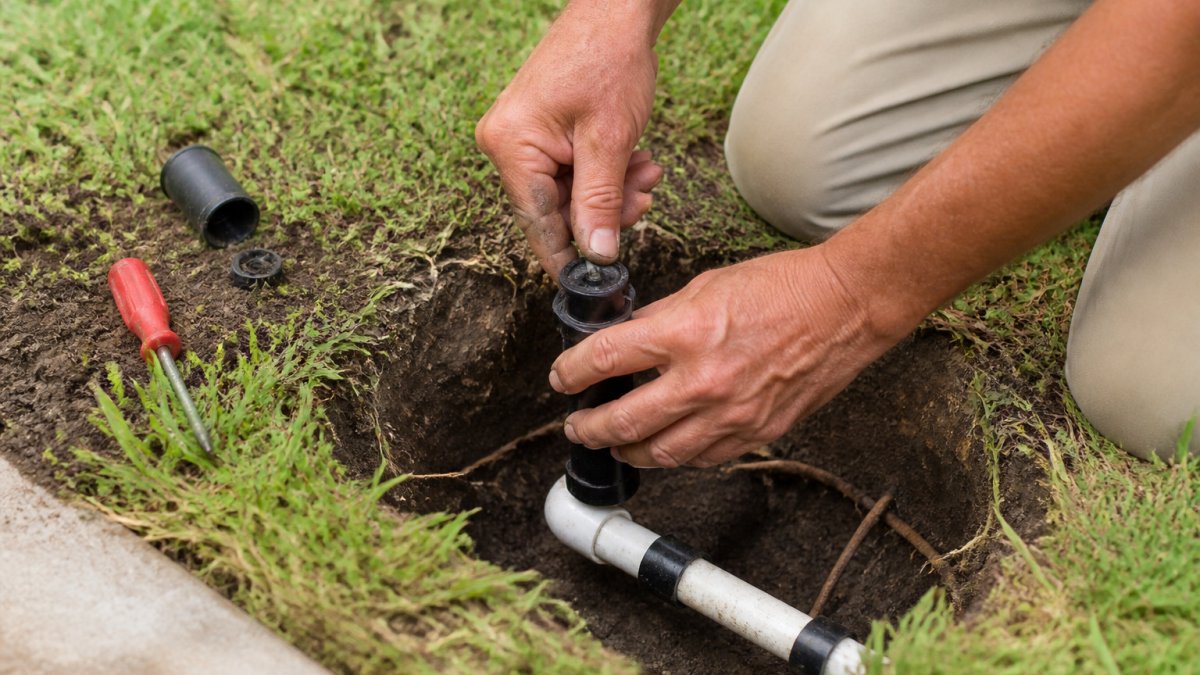
Drip irrigation maintenance keeps systems efficient. Check emitters monthly for clogs. Flush lines seasonally to remove sediment. Replace worn emitters rather than tolerating uneven water distribution.
Drought-Resistant Landscaping and HOA Rules: What You Need to Know
Homeowners Associations sometimes resist drought resistant landscaping, viewing water-efficient yards as violations of community standards. Understanding HOA rules and communicating your vision prevents costly conflicts.
Review your CC&Rs (Covenants, Conditions, and Restrictions) regarding landscape modifications. Some HOAs prohibit lawn removal entirely. Others require "green" landscaping but don't define what that means.
Present your drought-resistant landscaping plan to the HOA before beginning work. Include before-and-after renderings showing how your design maintains or enhances community aesthetics.
Connect your proposal to HOA interests. Reduced water consumption lowers community utility costs. Low-maintenance landscapes mean fewer pest problems and disease issues affecting neighboring properties.
Propose a pilot program if your HOA is hesitant. Demonstrate success on your property, then encourage neighbors to adopt similar approaches. Community-wide drought resistant landscaping becomes a selling point.
Document your plan in writing and keep copies. If disputes arise later, your approved design protects you from unexpected enforcement action.
Plant Establishment and Long-Term Maintenance
The first year determines whether your drought resistant landscaping thrives or struggles. Proper establishment practices set plants up for success with minimal future intervention.
Water newly planted trees and shrubs deeply but infrequently. This approach encourages deep root development that accesses soil moisture unavailable to shallow roots.
Mulch protects roots and retains moisture during establishment. Apply 2-3 inches around plants, keeping mulch away from stems.
Prune strategically during establishment. Remove dead or damaged branches, but avoid heavy pruning that stresses new plants. Once plants are established (typically after 2-3 growing seasons), prune to shape and encourage growth.
Monitor for pests and diseases during establishment. Stressed plants are more vulnerable. Healthy, well-watered plants resist problems better. Address issues early before they compromise plant survival.
After establishment, maintenance becomes minimal. Most drought-resistant plants need pruning only to maintain shape or remove dead wood. Fertilizer is rarely necessary if you've amended soil properly.
Budgeting Your Drought-Resistant Landscape Project
Drought resistant landscaping costs vary based on project scope, plant selection, and whether you're doing the work yourself or hiring professionals. Understanding typical costs helps you plan realistically.
Material costs depend on your choices. Native plants are often less expensive than rare ornamentals. Decomposed granite costs less than permeable pavers.
Labor represents the largest expense for most homeowners. Talgarden provides free estimates for drought-resistant landscape projects, allowing you to compare costs before committing.
Phasing your project over time reduces upfront costs. Complete high-visibility areas first, then expand gradually.
Consider long-term savings. Reduced water consumption lowers utility bills. Decreased maintenance means less time and money spent on yard work. These savings compound over years, offsetting initial installation costs.
Rebates and incentives may be available through local water agencies. Some communities offer rebates for turf removal or drought-resistant landscape installation.
Transforming your yard into a drought-resistant landscape requires planning, but the payoff is substantial.
Talgarden specializes in drought-resistant landscape design, professional installation, and expert sprinkler repair services throughout the Pasadena area. Our team handles everything from initial site assessment through final installation, ensuring your landscape succeeds from day one. Contact Talgarden for a free estimate and let's create your ideal water-efficient yard.
Frequently Asked Questions
How do I start a drought resistant landscaping project at home?
Begin by assessing your property's hardiness zone, sun exposure, and soil type. Identify areas where you can reduce lawn and select drought-tolerant plants suited to your climate. Start small with one section if budget is limited. Install drip irrigation before planting to ensure efficient water delivery. Work with a professional designer to create a cohesive plan that addresses both aesthetics and water conservation. Many homeowners see measurable water savings within the first growing season after establishment.
What drought-tolerant plants work best in this region?
Native plants and regionally adapted species thrive in drought-resistant landscapes. Consider native California shrubs, ornamental grasses, and low-water perennials suited to your specific hardiness zone. Avoid plants requiring frequent irrigation or supplemental water during dry periods. Group plants with similar water needs together to simplify maintenance and irrigation scheduling. A landscape professional can recommend specific varieties that match your yard's sun exposure, soil type, and aesthetic goals while minimizing water demands.
How much water and money can I actually save with drought-resistant landscaping?
Water savings depend on your current landscape and irrigation practices. Cost savings accumulate through lower water bills and reduced maintenance labor. Request a free estimate to understand your specific budget. Long-term savings often offset upfront costs through reduced water consumption and lower maintenance requirements.
Can my HOA prevent me from installing drought-resistant landscaping?
HOA rules vary significantly. Some communities encourage or mandate water-efficient landscaping, while others have restrictions on lawn removal or plant types. Review your HOA guidelines before redesigning your landscape. Many HOAs now recognize drought-resistant landscaping as compliant with community standards, especially in water-conscious regions. If your HOA has concerns, work with a professional who understands local regulations and can present a design that meets both water-efficiency goals and community aesthetic standards.
What's the difference between drought-resistant landscaping and xeriscaping?
Xeriscaping is a specific water-conservation approach using seven principles: planning, soil improvement, appropriate plant selection, practical turf areas, efficient irrigation, use of mulch, and appropriate maintenance. Drought-resistant landscaping is broader and refers to any landscape designed to thrive with minimal water. All xeriscapes are drought-resistant, but not all drought-resistant landscapes follow strict xeriscape principles. Both approaches reduce water use and maintenance compared to conventional landscaping.
How do I maintain a drought-resistant landscape through establishment and beyond?
During establishment (first 1-2 years), newly planted trees and shrubs need regular watering until roots develop. Use drip irrigation on a timer to deliver water consistently. Once established, drought-tolerant plants require minimal supplemental watering except during extreme dry periods. Annual maintenance includes mulch replenishment, pruning for shape, and weed removal. Most drought-resistant landscapes need significantly less labor and water than conventional lawns, making them ideal for busy homeowners seeking low-maintenance outdoor spaces.
Should I install drip irrigation or stick with a traditional sprinkler system?
Drip irrigation delivers water directly to plant roots, reducing waste and runoff by 30-50% compared to overhead sprinklers. It's ideal for drought-resistant gardens because it minimizes evaporation and allows precise watering schedules. Drip systems work well for shrubs, flowers, and groundcovers but may not suit all yard layouts. A professional can assess your property and recommend the most efficient system for your specific plants, slope, and water needs, then tune the schedule to match seasonal rainfall and plant requirements.
Schedule your estimate today!
Comments