


Backyard Renovation Contractors: How to Choose Right
Table of Contents
What Backyard Renovation Contractors Actually Do
Understanding Backyard Renovation Cost and Budget Planning
How to Evaluate Hardscaping Contractors for Your Project
Landscape Contractor Hourly Rates: What You Should Know
Reading Landscaping Contractor Reviews and Vetting References
Critical Questions to Ask Before Hiring
Red Flags and How to Avoid Costly Mistakes
Frequently Asked Questions
Last Updated: October 21, 2026
What Backyard Renovation Contractors Actually Do
Backyard renovation contractors transform outdoor spaces through design, construction, and installation, combining aesthetic vision with structural expertise from initial site assessment to final landscaping touches.
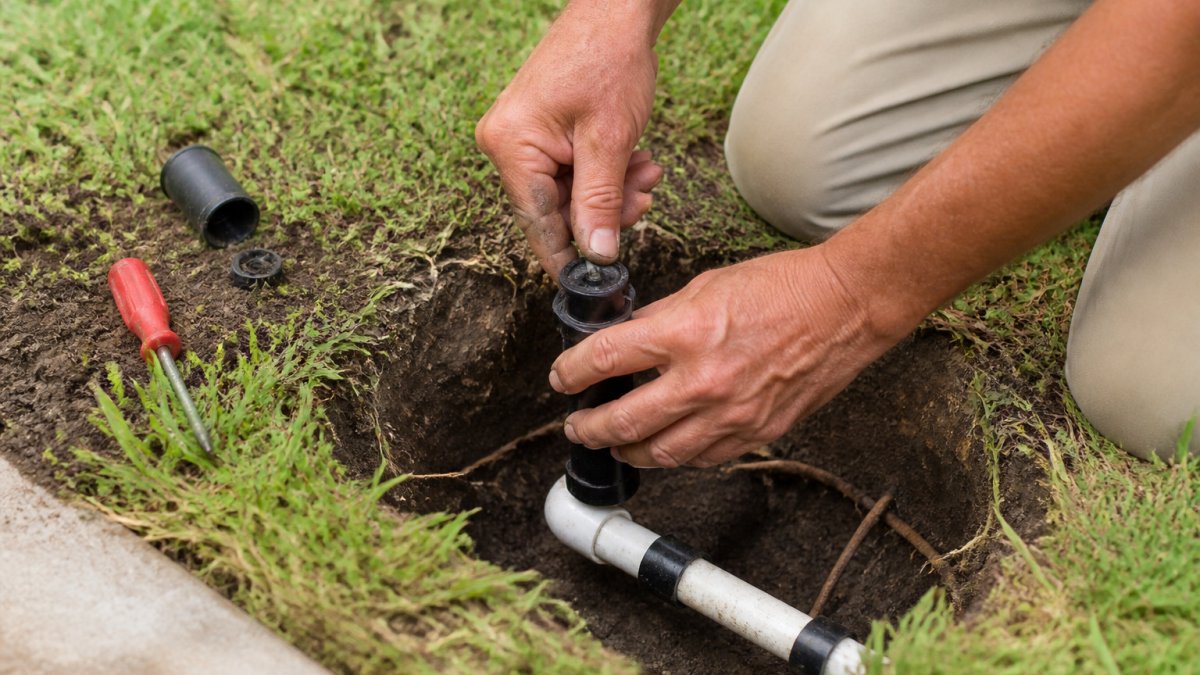
Most homeowners underestimate the scope. A backyard renovation isn't just planting trees or laying mulch, it spans landscape design consultation, hardscaping installation (patios, pavers, retaining walls), drainage solutions, sprinkler system repair and installation, sod placement, and maintenance planning.
The best contractors handle multiple disciplines in-house, so one team manages design, permits, construction, and follow-up instead of you coordinating separate specialists. This reduces delays, improves communication, and ensures quality control, and a contractor who understands both landscape design and hardscaping can spot conflicts before they become expensive mistakes.

A full-service landscape contractor also understands local soil conditions, drainage patterns, climate-appropriate plant selections, and building codes for outdoor structures. That local expertise separates contractors who create beautiful yards from those who build yards that fail within a few years.
Pro Tip Ask potential contractors about their experience with your specific property type. A contractor experienced with small urban lots may struggle with multi-acre estates, and vice versa. Local experience matters more than national reputation.
Understanding Backyard Renovation Cost and Budget Planning
Backyard renovation costs vary dramatically based on scope, materials, and site conditions. Without understanding what drives pricing, homeowners get quotes that seem incomparable or choose on the lowest bid alone. The most useful thing a contractor can do is show you where the money goes, line by line, before you commit.
A practical way to plan is to separate the project into cost buckets and assign a realistic share of the budget to each. Most full backyard renovations break down roughly like this:
Design and planning: typically 5-15% of project cost when a formal design and construction drawings are involved. Many contractors fold basic design into the installation bid; complex grading, drainage, or structural work usually requires paid design.
Hardscaping (patios, pavers, retaining walls, walkways): often the largest line item, commonly 40-60% of a full renovation. Material choice drives most of the spread, a concrete paver patio and a natural-stone patio with the same square footage can differ by thousands of dollars.
Planting and softscape: usually 10-25%, depending on plant size and quantity. Larger specimen trees and mature shrubs cost disproportionately more than small nursery stock.
Irrigation and drainage: commonly 5-15%. French drains, regrading, and sprinkler retrofits are frequently underestimated because they are invisible after completion.
Lighting and outdoor living features: 5-20% if included. Low-voltage landscape lighting is relatively inexpensive per fixture; built-in seating, pergolas, outdoor kitchens, and fire features push this bucket much higher.
Contingency: set aside 10-20% for surprises. Existing hardscape removal, poor soil, root intrusion, or buried utilities are the most common sources of overruns.
To translate those percentages into a working budget, use square and linear footage as anchors: hardscaping is priced per square foot installed, retaining walls per square face foot, fencing and seat walls per linear foot, and planting per plant or bed.
Site conditions create hidden costs not obvious from photos, hardscape removal, soil remediation, grading issues, or underground utilities can add significant expense. The contractor should identify these during the initial assessment. If an estimate seems unusually low, ask what it excludes; disposal fees, permit costs, soil amendments, and final grading are common omissions.
Most contractors provide free estimates or design consultations, use this to discuss budget openly. Rather than asking "how much will this cost," specify your range and ask what's possible within it.
Watch Out Beware of quotes that seem dramatically cheaper than others. This often signals the contractor is underestimating scope, using lower-quality materials, or planning to cut corners during installation. Get clarification on what's included before committing, and insist that the estimate state quantities, material specifications, and exclusions in writing.
Key Takeaway Build your budget from the bottom up: measure the hardscape and planting areas, assign realistic shares to each cost bucket, and hold 10-20% in contingency. Then compare bids on identical units and scopes, not on the bottom-line number alone.
How to Evaluate Hardscaping Contractors for Your Project
Hardscaping, patios, pavers, retaining walls, walkways, is often the centerpiece of a backyard renovation. Evaluating hardscaping contractors requires understanding both their technical capability and design sensibility.
Review their portfolio of completed residential projects similar in scale and style to yours. Check the details: are joints clean and consistent, pavers level, retaining walls straight? Poor craftsmanship shows immediately in hardscaping because the work is visible and permanent.
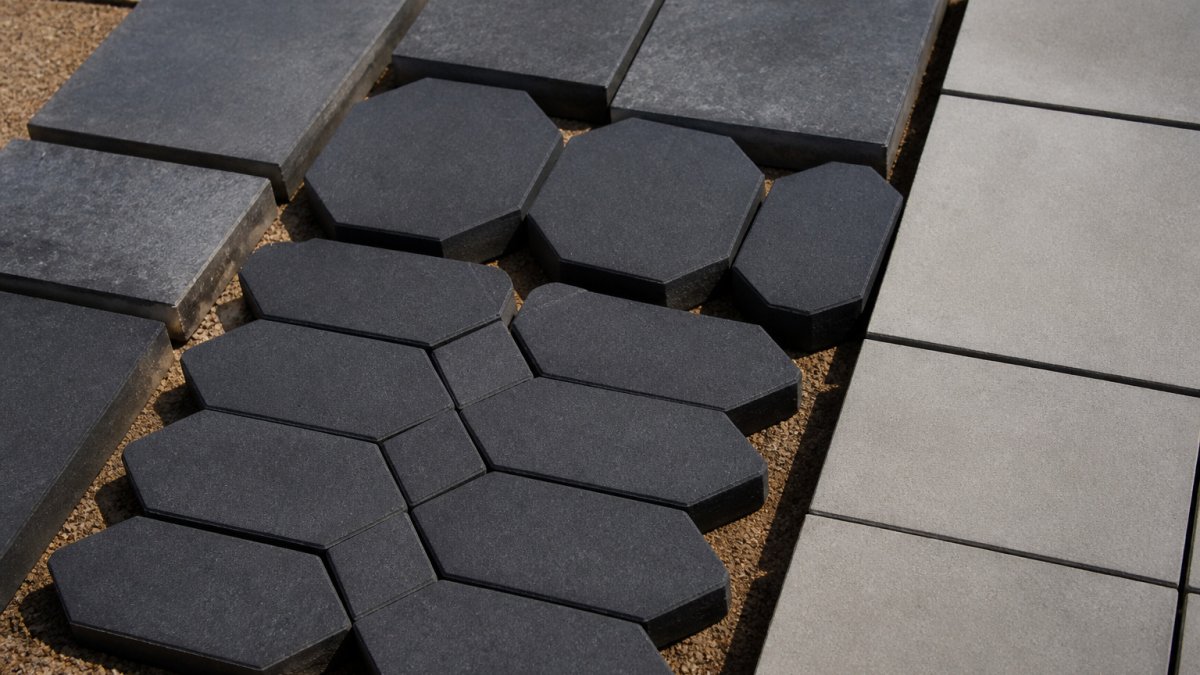
Ask about material sourcing and quality standards. Not all pavers are equal, some are durable and frost-resistant, while cheaper alternatives crack after a few freeze-thaw cycles. A contractor who specifies quality materials, shows samples, and discusses longevity demonstrates expertise.
Drainage is critical and often overlooked. Improper grading around patios causes water pooling, which leads to cracking, settling, and premature failure. Ask how the contractor handles site drainage and what slope specifications they follow.
Insurance and licensing matter more than many homeowners realize. Verify that the contractor carries liability insurance and workers' compensation. Check their license status with your state's licensing board.
Landscape Contractor Hourly Rates: What You Should Know
Understanding how landscape contractors price their work helps you evaluate estimates. Rates vary by experience, local market, and services provided, but the pricing model matters more than the number attached to it.
Most landscape contractors don't charge purely by the hour for project work. Instead, they estimate the total project cost based on scope, materials, and labor hours required.
When a contractor does quote hourly, ask which labor categories the rate covers, crew, foreman, and designer rates differ, and a blended bid can hide where costs sit.
Experienced contractors typically charge more, reflecting expertise and overhead. That premium often buys faster crews, fewer callbacks, and better material sourcing, factors hard to see in a bid but visible in how the finished yard holds up.
When comparing estimates, don't focus solely on the hourly rate or total price. Instead, evaluate what's included. One contractor might charge more because they're providing premium materials, detailed design work, or extended warranties. Another might charge less but exclude site cleanup, permit coordination, or follow-up maintenance visits. Build a simple comparison scorecard and score each bid on the same criteria:
Scope specificity: Are quantities, materials, and exclusions written out, or is the bid a single lump sum?
Experience: How many projects of similar scale and style has the contractor completed, and can they show them?
Communication: Who is your point of contact, how often will you get updates, and how are change orders approved?
Warranty: What workmanship and plant warranties are offered, in writing, and for how long?
Schedule: What is the start date, expected duration, and weather-delay policy?
Ask contractors to break down estimates into material and labor costs so you can see where adjustments are possible. Some offer phased approaches where you complete high-impact work first and add enhancements later.
Pro Tip If a bid is time-and-materials, ask for a not-to-exceed cap and a written change-order process. That gives the contractor flexibility on genuinely uncertain work while protecting you from an open-ended bill.
Key Takeaway The cheapest estimate rarely delivers the best value. Compare what's included, the contractor's experience, material quality, and warranty terms alongside the price. The best contractor-client relationship starts with clear expectations about cost and scope.
Reading Landscaping Contractor Reviews and Vetting References
Online reviews provide valuable insight but require careful interpretation, read beyond the star rating to understand what customers specifically valued or disliked.
Look for patterns in reviews rather than focusing on individual comments. If multiple customers mention poor communication or missed deadlines, that's a meaningful signal. Conversely, if reviews consistently praise attention to detail and responsiveness, that reflects the contractor's actual operating style.
Ask the contractor for three to five references from projects similar to yours. Call them and ask: Did the project stay on schedule? Were there unexpected costs? Were problems handled professionally? How does the yard look months later? These conversations reveal what public reviews don't.
See completed work in person if possible. Photos mislead due to lighting, angles, and timing; a mature installation in real conditions shows how well the work held up and whether the design aged well.
Red flags in reviews include consistent complaints about unresponsiveness, quality issues discovered months after completion, or disputes over billing. A contractor with a few mixed reviews is normal; a contractor with a pattern of serious complaints should be avoided.
Critical Questions to Ask Before Hiring
Before signing a contract, ask these questions to clarify expectations and avoid misunderstandings:
Timeline and Schedule: When will work begin and end? What happens if weather delays it? Are there seasonal constraints? A realistic schedule prevents frustration.
Design and Decision-Making: Will you get a detailed design plan before work begins? How many revisions are included? What if you change the design mid-project? A clear process prevents scope creep and disagreements.
Permits and Regulations: Does the contractor handle permit applications? Who pays for permits? Some jurisdictions require permits for hardscaping or irrigation work; others don't. The contractor should know local requirements.
Materials and Specifications: What brands and grades will be used? Are substitutions allowed if materials become unavailable? Get this in writing to prevent surprises.
Warranty and Guarantees: What is warranted, for how long, and does it cover plant survival, hardscape durability, or both? Written terms protect both parties.
Payment Schedule: What are the payment terms? Typical arrangements involve an initial deposit, progress payments, and a final payment upon completion. Avoid contractors who demand full payment upfront.
Cleanup and Site Restoration: Will the contractor remove debris, restore the work area, and leave the site clean? This detail shapes the final impression of the work.
Red Flags and How to Avoid Costly Mistakes
Certain contractor behaviors signal potential problems before you sign a contract.
Unwillingness to Provide References: A contractor confident in their work readily provides references. Resistance to this request suggests they have something to hide.
Vague Estimates: Estimates should itemize costs and specify materials. Vague estimates like "around $5,000 for the patio" create conflict when the final bill arrives. Demand detailed, written estimates.
Pressure to Decide Quickly: Reputable contractors understand that major home improvements require consideration.
No Written Contract: Never hire a contractor without a signed agreement. A contract protects both parties by documenting scope, timeline, costs, and dispute resolution.
Requests for Cash Payments: Cash payments make it harder to dispute charges or pursue legal remedies if problems occur.
Reluctance to Discuss Insurance: Professional contractors carry liability insurance and workers' compensation.
No Clear Communication Channel: Establish before work begins how you'll reach the contractor during the project and who to call if problems arise.
Watch Out If a contractor becomes defensive when you ask detailed questions or request references, trust that instinct. The best contractors welcome scrutiny because their work speaks for itself. Defensive responses often precede problems.
Choosing the right backyard renovation contractor determines whether your project becomes a beautiful, functional outdoor space or a source of frustration and expense.
At Talgarden, we approach every backyard renovation with a commitment to understanding your vision, delivering quality craftsmanship, and managing every detail from design through completion. Our free estimates give you a clear picture of what's possible within your budget. Learn more about our services and get your free estimate.
Frequently Asked Questions
What should I look for when hiring a backyard renovation contractor?
Check for valid licensing and insurance, verified references you can contact, a detailed written estimate, and clear communication about your project timeline. Ask how long they've served the local area and whether they handle design through completion. A contractor who listens to your vision and explains their process clearly is more likely to deliver results that match your expectations.
How much do backyard renovation contractors typically charge?
Costs vary significantly based on project scope, materials, and complexity. Request free estimates from multiple contractors to compare pricing. Be wary of quotes that are drastically lower than others, quality workmanship and materials justify fair pricing.
How do I compare quotes from landscaping contractors?
Obtain at least three written estimates that break down labor, materials, and timeline. Ensure each quote covers the same scope of work so you're comparing apples to apples. Check that estimates include site prep, installation, and cleanup. Ask whether warranty or maintenance is included. Don't choose based on price alone; factor in contractor experience and customer reviews.
How long does a typical backyard renovation take?
Simple projects like patio installation or lawn refresh may take 1-2 weeks. Larger transformations involving hardscaping, planting, and outdoor living spaces typically take 3-8 weeks. Weather, site conditions, and permit requirements can extend timelines. A professional contractor should provide a realistic schedule upfront and communicate if delays occur.
Schedule your estimate today!
Comments